
📑 Table of Contents ▶
Gordon Ramsay Homemade Pasta Recipe
Welcome to Eatimi! I’m Olivia Hart — a home-cook who believes delicious food doesn’t need complicated techniques. Here I share easy everyday recipes, family meals, quick ideas for busy days, and helpful kitchen tips to make cooking simple and fun. My goal is to help you feel confident in the kitchen and enjoy homemade food with joy, comfort, and love. 💛
The first time I made homemade pasta, it transformed my understanding of what a simple meal could be. Watching the dough come together and turn silky smooth added a personal touch to my cooking. There’s something deeply satisfying about creating your own pasta from scratch.
Gordon Ramsay’s homemade pasta recipe is a fantastic introduction to this rewarding culinary art. With just a few ingredients, you can recreate the magic of Italian cuisine in your own kitchen. This pasta shines in countless dishes, making it a versatile staple.
Let’s dive into the wonderful world of homemade pasta, where frustration takes a back seat and the love for food shines through.
Gordon Ramsay Homemade Pasta Recipe
Fundamentals
Homemade pasta appears daunting, but it requires only a few basic ingredients. You’ll work with all-purpose flour, large eggs, sea salt, and extra-virgin olive oil. Each ingredient plays an essential role, contributing to the dough’s texture and flavour. The key to success lies in the balance; the eggs provide richness, while the flour lends structure.
To start, prepare your workspace by cleaning a flat surface. This becomes your pasta-making station. Having everything in place will help the process flow smoothly and make it feel less overwhelming. You want to create a fun, enjoyable environment where you can immerse yourself in this cooking adventure.
Preparation/setup
Before you begin, ensure you have all your ingredients handy. Measure out 2 cups (240g) of all-purpose flour, spooned and leveled, to keep your measurements precise. This type of flour is perfect for pasta-making, as it contains the right amount of protein to create that lovely, stretchy dough.
Next, crack three large eggs into a bowl, and add the ½ tablespoon of extra-virgin olive oil and ½ teaspoon of sea salt. The olive oil not only enriches the dough but also helps it become pliable, while the salt enhances the flavour, further elevating your dish.
Once you have everything set up, you’re ready to begin mixing.
Ingredients
Here’s a quick rundown of what you need for Gordon Ramsay’s homemade pasta:
- 2 cups (240g) all-purpose flour, spooned and leveled
- 3 large eggs
- ½ teaspoon sea salt
- ½ tablespoon extra-virgin olive oil
Gather these essentials before starting the actual cooking process, so you can dive right into making the dough.
Directions
- Pile the flour on a clean surface and create a well in the centre.
- Pour the eggs, olive oil, and sea salt into the well.
- Using a fork, slowly incorporate the flour into the eggs. Make sure that the mixture stays contained within the well.
- Once the dough begins to come together, switch to using your hands to form a shaggy dough.
- Knead the dough for 8–10 minutes until it feels smooth and elastic. If it appears too dry, add a few drops of water; if too sticky, dust with additional flour.
- Shape the dough into a ball, wrap it in plastic wrap, and let it rest at room temperature for 30 minutes.
- After resting, cut the dough into four equal pieces.
- Flatten one piece into a small oval shape.
- Pass the flattened dough through a pasta machine, starting with setting one three times.
- Fold the dough into thirds and run it again through settings two and three three times each, continuing through settings four, five, and six.
- Lay the finished sheets on a floured baking sheet, dust with flour, and fold lightly. Repeat with the remaining pieces of dough.
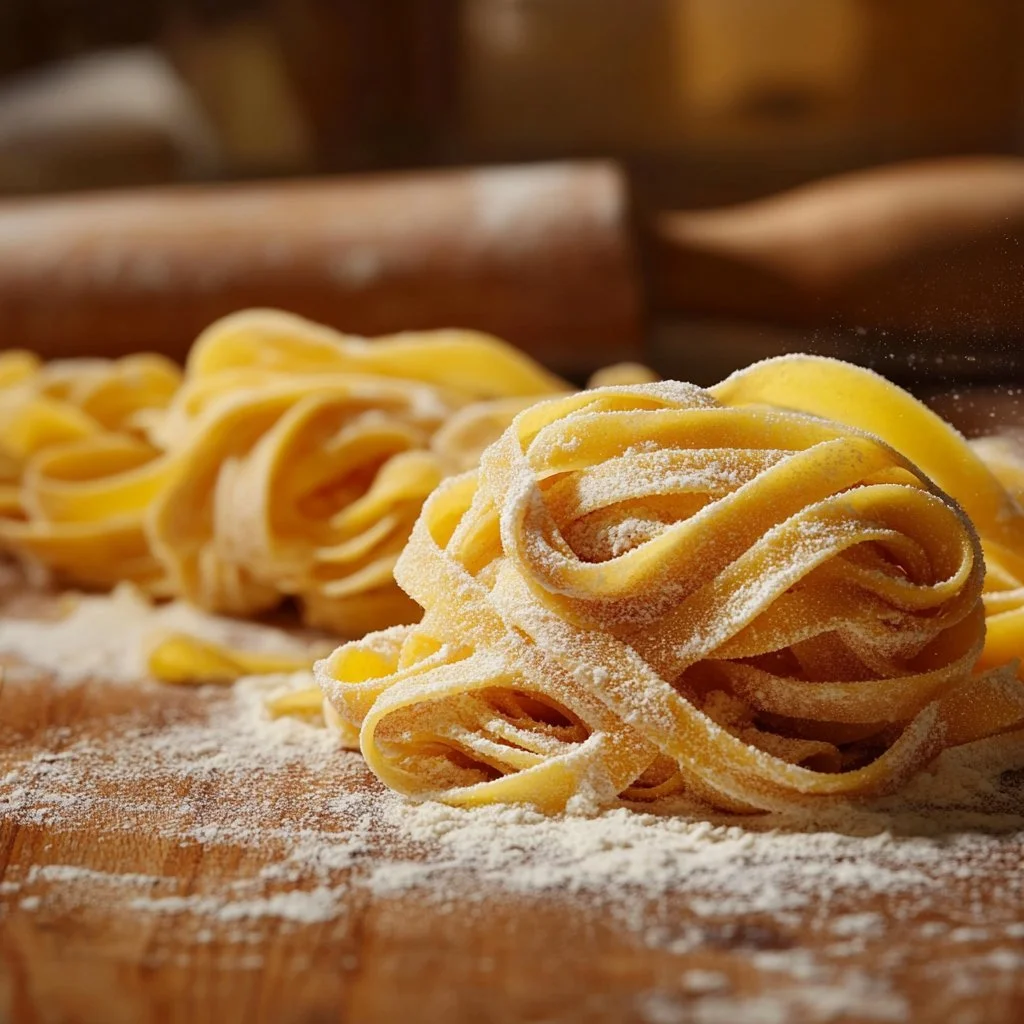
- Use a cutter to shape the pasta as you desire, for instance, like fettuccine.
- Finally, boil in salted water for 1–2 minutes until al dente, drain, and enjoy!
Mastering Technique
Technique
The technique in making homemade pasta revolves around the kneading and rolling processes. Kneading the dough is crucial. It develops gluten, which provides the elasticity your pasta needs. The dough should feel smooth and cohesive when you finish kneading.
Using a pasta machine helps achieve the perfect thickness. Start with a wider setting and gradually move to thinner settings. This process allows the pasta to stretch and become incredibly tender. Practice makes perfect, so don’t be discouraged if your first attempts aren’t flawless!
Tips/tricks
Here are some handy tips to elevate your pasta-making skills:
-
Resting the Dough: Resting is essential. It allows the gluten to relax, making the dough easier to roll out. Don’t skip this step; the results will be worth it!
-
Clean Surface: Ensure your work surface is clean and slightly floured to prevent sticking. This small detail can significantly impact your dough’s texture.
-
Consistency Check: The texture of your dough should be soft, not sticky. If your dough feels too wet, dust it with flour. Conversely, if it feels dry, add a tiny splash of water or olive oil.
-
Use Your Hands: Incorporating the flour into the eggs using your hands leads to a more controlled mixture. Trust in your instincts while mixing!
Perfecting Results
Perfecting results
The key to perfect homemade pasta lies in practice. Each time you repeat the process, you’ll improve. Focus on achieving a consistent dough that rolls out evenly. You’ll learn how thin you can roll it without tearing it in no time.
Experiment with different shapes and sizes. Try making ravioli, tagliatelle, or lasagna sheets. Each form brings a unique character to your pasta dishes.
Troubleshooting/variations
Sometimes dough doesn’t behave. Here are some common issues and solutions:
-
Too Wet Dough: If your dough is sticky and hard to work with, add more flour gradually until it reaches the desired consistency.
-
Too Dry Dough: If your dough seems crumbly and won’t hold together, add small amounts of water or oil until it becomes manageable.
-
Rolling Issues: If the dough tears easily, roll it out more gently, and try to relax as you work with it. Rushing can create tension in the dough.
Exploring variations can also improve your homemade pasta experience. Experiment with adding herbs or spices like basil or garlic powder into the flour for an extra burst of flavour.
Serving and Storage
Serving/presentation
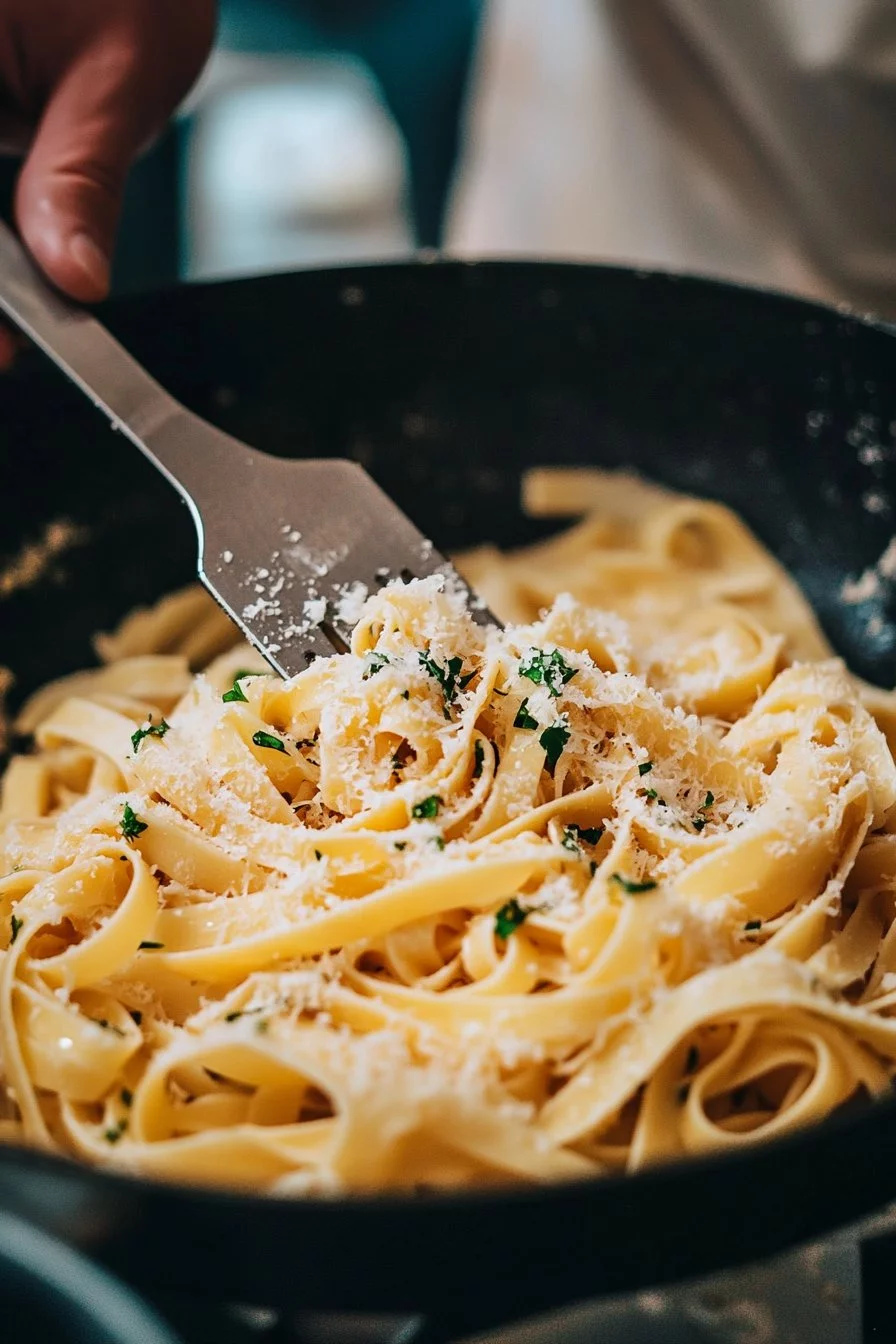
Once you finish making your pasta, the way you serve it can make a significant difference. Plate the warm pasta with your choice of sauce, whether it’s a rich tomato or a light olive oil dressing. Garnish with fresh herbs, cheese, or spices for that final touch that excites the senses.
Pairings/storage
Storing homemade pasta is simple. Dust the pasta sheets with flour and layer them between sheets of parchment paper to prevent sticking. Refrigerate for up to two days or freeze for later use. When ready to enjoy, simply drop the frozen pasta directly into boiling salted water without thawing.
Pair your homemade pasta with your choice of garnishes or sauces. Use fresh ingredients to bring vibrant flavours to your dish. Explore your palate and create pairings that excite you without relying on traditional suggestions.
Experiment! Each batch of pasta made with love brings you closer to discovering your ideal dish.
Homemade pasta offers a unique experience, effortlessly blending together simplicity and joy in cooking. The flavours, textures, and personal touch make each plate a celebration of home-cooked food. Enjoy mastering this culinary art, and happy pasta making!