
📑 Table of Contents ▶
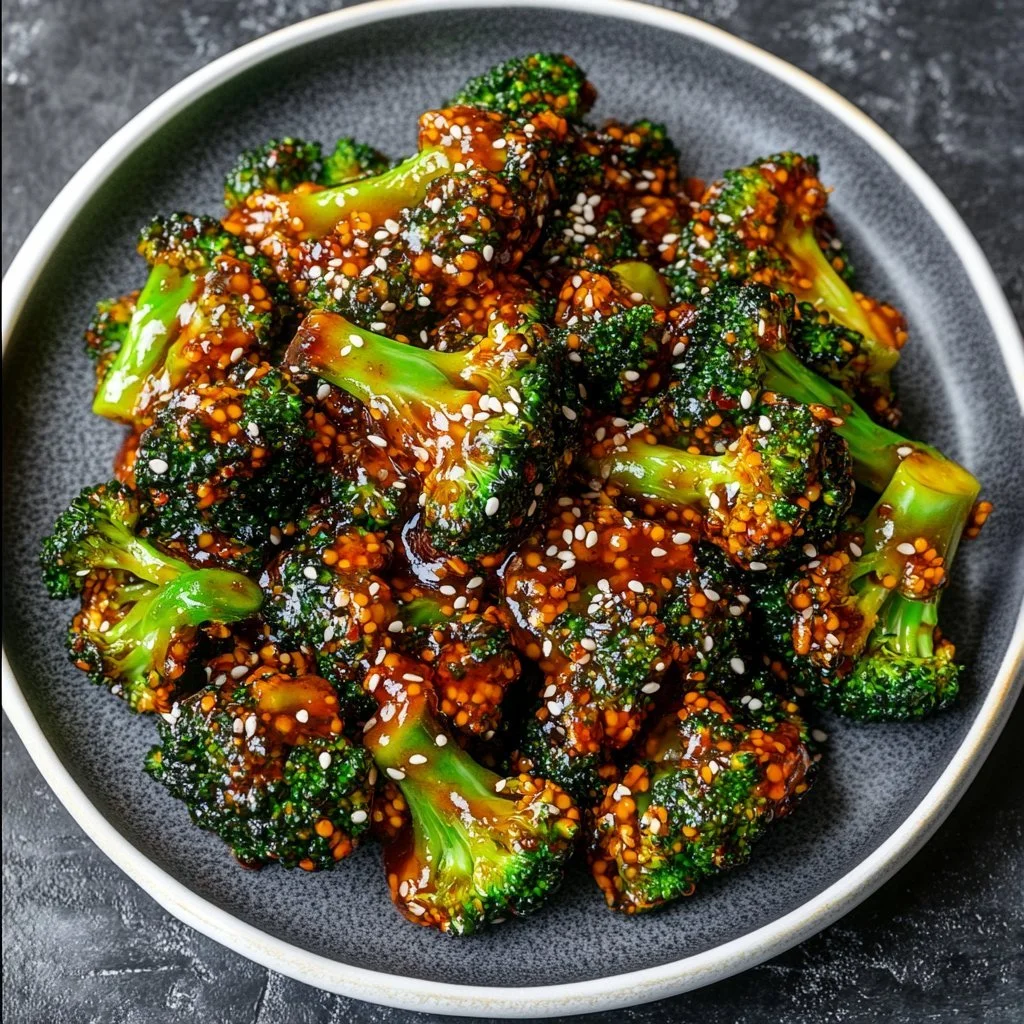
Gochujang Broccoli
Welcome to Eatimi! I’m Olivia Hart — a home-cook who believes delicious food doesn’t need complicated techniques. Here I share easy everyday recipes, family meals, quick ideas for busy days, and helpful kitchen tips to make cooking simple and fun. My goal is to help you feel confident in the kitchen and enjoy homemade food with joy, comfort, and love. 💛
Gochujang broccoli has transformed how I view vegetables. As a child, broccoli seemed like a dull option on the dinner table. I never imagined I would enjoy it as much as I do now. One evening, a friend introduced me to a gochujang dish, and it sparked an idea: why not create a version with broccoli? The idea of spicy, roasted broccoli excited me.
The magic of gochujang changes everything. This Korean chili paste adds depth and sweetness, perfect for elevating simple broccoli florets. More than just a side dish, gochujang broccoli can steal the spotlight at any meal. With just a few ingredients, we can turn a vegetable into something extraordinary.
Join me as we dive into making this tantalising and easy gochujang broccoli recipe. With its flavours and simplicity, you’ll find yourself craving it again and again.
Gochujang Broccoli Florets
Fundamentals
At the heart of this recipe lies a love for fresh ingredients and bold flavours. Gochujang, a key component, brings heat and a touch of sweetness alongside a unique umami punch. The deep red colour of gochujang captivates the eye, promising deliciousness in every bite.
Broccoli florets become the canvas for this culinary masterpiece. Their natural crunch pairs perfectly with the creamy texture developed during roasting. The simple process allows for concentrated flavours to shine through, making every bite a delightful experience.
The choice of olive oil serves not only to coat the broccoli but also enhances the roasting process. Olive oil brings healthy fats into the mix, ensuring that the florets roast beautifully, becoming crispy and slightly charred.
Preparation/Setup
Preparing for gochujang broccoli requires minimal effort and gives maximum reward. Begin by preheating your oven to a roasting temperature of 425°F (220°C). This high heat works wonders, allowing the broccoli to caramelise and develop a stunning flavour.
Grab a large bowl to mix your ingredients. Combine the gochujang, olive oil, soy sauce, and optional honey for added sweetness. Adding salt at this stage ensures the flavours meld properly. Once mixed, toss the broccoli florets into the bowl, ensuring each piece gets coated in that fabulous mixture, ready for roasting.
The magic happens when you spread the broccoli florets on a baking sheet in a single layer. This setup is crucial to achieving uniform cooking and crispy edges. If you stack the florets, they’ll steam rather than roast, so give each floret some space to breathe.
Ingredients
To create perfect gochujang broccoli, gather these ingredients:
- 1 lb broccoli florets
- 2 tablespoons gochujang
- 2 tablespoons olive oil
- 1 tablespoon soy sauce
- 1 tablespoon honey (optional)
- Salt to taste
- Sesame seeds for garnish
Ensure the broccoli is fresh and vibrant. Look for bright green florets to connect with their natural flavours. Gochujang typically comes in a jar or tube, so make sure you have a good quality one for the most authentic taste.
Directions
- Preheat the oven to 425°F (220°C).
- In a large bowl, mix gochujang, olive oil, soy sauce, honey, and salt.
- Add broccoli florets to the bowl and toss until well coated.
- Spread broccoli on a baking sheet in a single layer.
- Bake for 15-20 minutes or until crispy and slightly charred.
- Remove from the oven and sprinkle with sesame seeds before serving.
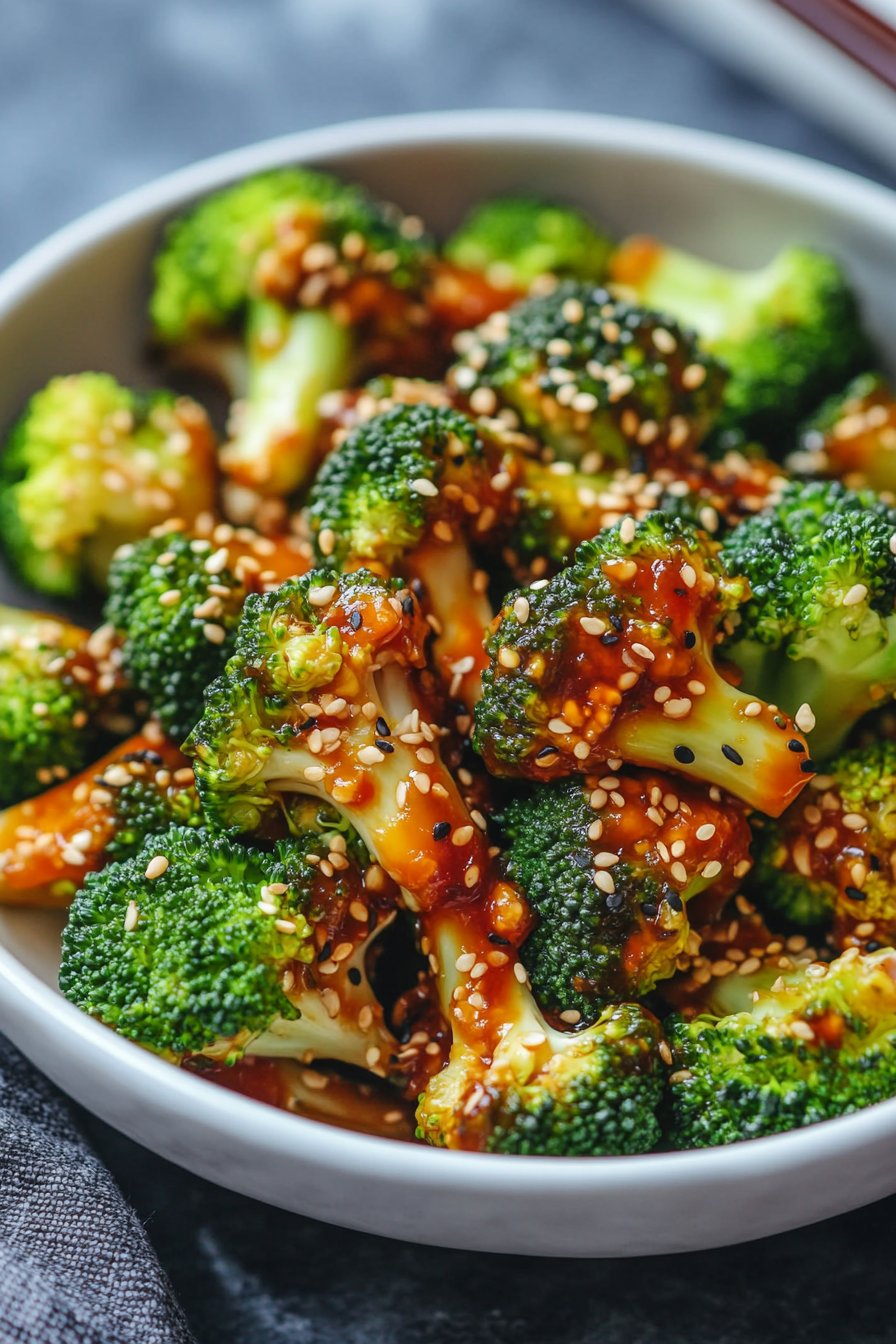
Sizzling Gochujang Broccoli
Technique
Utilising the perfect technique is critical for achieving the desired outcome with gochujang broccoli. The roasting method allows for rich flavours as moisture evaporates, leaving crispy edges and tender interior.
Roasting in a single layer maximises air circulation, promoting even cooking. Resist the urge to overcrowd the baking sheet; this directly influences the final texture. A well-spaced arrangement ultimately leads to that crispy goodness we desire from roasted vegetables.
Tips/Tricks
Experimenting with cooking times can yield different results. For a softer broccoli texture, reduce the baking time to 12-15 minutes. Those preferring a more charred, crispy finish will enjoy the full 20-minute roasting period.
Don’t hesitate to spruce things up with additional toppings. A squeeze of lime juice or a dash of sesame oil can elevate the recipe even further.
Additionally, if you have leftover gochujang sauce, consider using it in other vegetable dishes or as a marinade for proteins. Its versatility makes it a valuable addition to any kitchen.
Perfecting Gochujang Broccoli
Perfecting Results
Perfecting gochujang broccoli means mastering the art of roasting. Keep an eye on the florets as they bake, observing the transformation. Ideally, you want them crispy at the edges while still green and tender in the centre.
Taste as you go! Adjust the salt or add an extra drizzle of soy sauce right after baking for a boost of flavour.
Troubleshooting/Variations
If the broccoli doesn’t crisp up or appears soggy, ensure you have preheated the oven adequately. A hot oven promotes the Maillard reaction, which creates that desirable caramelisation.
Consider adding other vegetables to this recipe for more variety. Cauliflower, carrots, or even bell peppers would complement the flavours beautifully. Make sure to adjust cooking time based on the density of the vegetables you choose.
Serving Gochujang Broccoli
Serving/Presentation
Gochujang broccoli is visually appealing and tasty. As you serve it, allow the vibrant green of the broccoli and the glossy red hue from the gochujang to shine through.
Serve the broccoli hot, garnished with sesame seeds for a touch of elegance. This dish stands out beautifully on a dinner table, inviting everyone to dig in.
Pairings/Storage
Pair gochujang broccoli with a wide variety of dishes. It makes an excellent side to grilled chicken, tofu, or even rice-based meals. The bold flavours pair well with milder proteins, creating a balanced plate.
For storage, keep any leftovers in an airtight container in the fridge. They’ll last for around 3-4 days. Reheat them in the oven to regain some of their original crispness.
Conclusion
Gochujang broccoli brings excitement to any meal with its flavours, textures, and simplicity. By highlighting the natural qualities of broccoli while introducing the rich, spicy note of gochujang, this dish promises satisfaction. With just a few ingredients and straightforward steps, you can reinvent how you view vegetables. Transform your dinners, and enjoy the delightful taste of gochujang broccoli.
Gochujang Broccoli
Ingredients
Method
- Preheat the oven to 425°F (220°C).
- In a large bowl, mix gochujang, olive oil, soy sauce, honey, and salt.
- Add broccoli florets to the bowl and toss until well coated.
- Spread broccoli on a baking sheet in a single layer.
- Bake for 15-20 minutes or until crispy and slightly charred.
- Remove from the oven and sprinkle with sesame seeds before serving.