
📑 Table of Contents ▶
Beef Sauté
Welcome to Eatimi.com! I’m Olivia Hart — a home-cook who believes delicious food doesn’t need complicated techniques. Here I share easy everyday recipes, family meals, quick ideas for busy days, and helpful kitchen tips to make cooking simple and fun. My goal is to help you feel confident in the kitchen and enjoy homemade food with joy, comfort, and love. 💛
There’s something magical about a sizzling beef sauté that takes me back in time to family dinners where we gathered around the table, sharing stories and laughter. This dish requires minimal effort yet delivers a burst of flavours that fills the room with warmth and comfort. Each ingredient brings its distinct taste, and together they create a delightful experience.
When I set out to make my beef sauté, I remember how easy it is to combine ingredients like tender sliced beef and fresh vegetables. The technique requires a hot pan, allowing the beef to caramelise perfectly while keeping the vegetables crisp. The vibrant colours of the red pepper, broccoli, and carrots showcase the beauty of the dish, making it not just a meal but a feast for the eyes.
In just a few simple steps, you can recreate those cherished family moments with your loved ones. Let’s dive into how to make the perfect beef sauté and bring that comforting experience back to your kitchen.
Part 1 — Beef Sauté Basics
Fundamentals
Beef sauté epitomises quick cooking methods that maintain the authenticity of flavours. The primary ingredients, such as sliced beef, fresh vegetables, and soy sauce, work harmoniously. Each brings out the others’ taste without overpowering, making it an ideal dish for family dinners.
The key to an exceptional beef sauté starts with selecting the right cut of beef. Lean cuts like sirloin or flank steak, sliced thin, work wonders in this dish. They cook quickly and remain tender when properly sautéed. This technique enhances the natural flavour and juiciness of the meat.
Preparation/setup
Gathering your ingredients beforehand simplifies the cooking process. Slicing the beef thinly allows it to cook effortlessly, while prepping the vegetables ensures you can add them to the pan at the right time for optimal texture. This step-by-step approach makes cooking less daunting and more enjoyable.
Ensure your workstation is tidy and all ingredients are chopped. This improves your efficiency and helps you focus on cooking rather than search for ingredients mid-cook. With everything ready, you’ll feel more relaxed as you create this fantastic meal.
Ingredients
For this beef sauté, you’ll need:
- 500g of sliced beef
- 2 tablespoons of sesame oil
- 1 red pepper, sliced
- 1 broccoli head, cut into small florets
- 2 carrots, sliced
- 3 tablespoons of soy sauce
- 2 cloves of garlic, minced
- 1 teaspoon of fresh ginger, grated
- Cooked rice for serving
Directions
- In a large skillet or wok, heat the sesame oil over medium-high heat.
- Add the sliced beef and brown it thoroughly.
- Incorporate the sliced carrots, red pepper, and broccoli into the skillet, stirring for about five minutes.
- Once the vegetables soften, add the minced garlic and grated ginger, cooking for an additional 1-2 minutes until fragrant.
- Finally, pour the soy sauce over the mixture, ensuring even distribution of flavours.
- Serve hot over a bed of cooked rice.
Part 2 — Sauté Techniques for Success
Technique
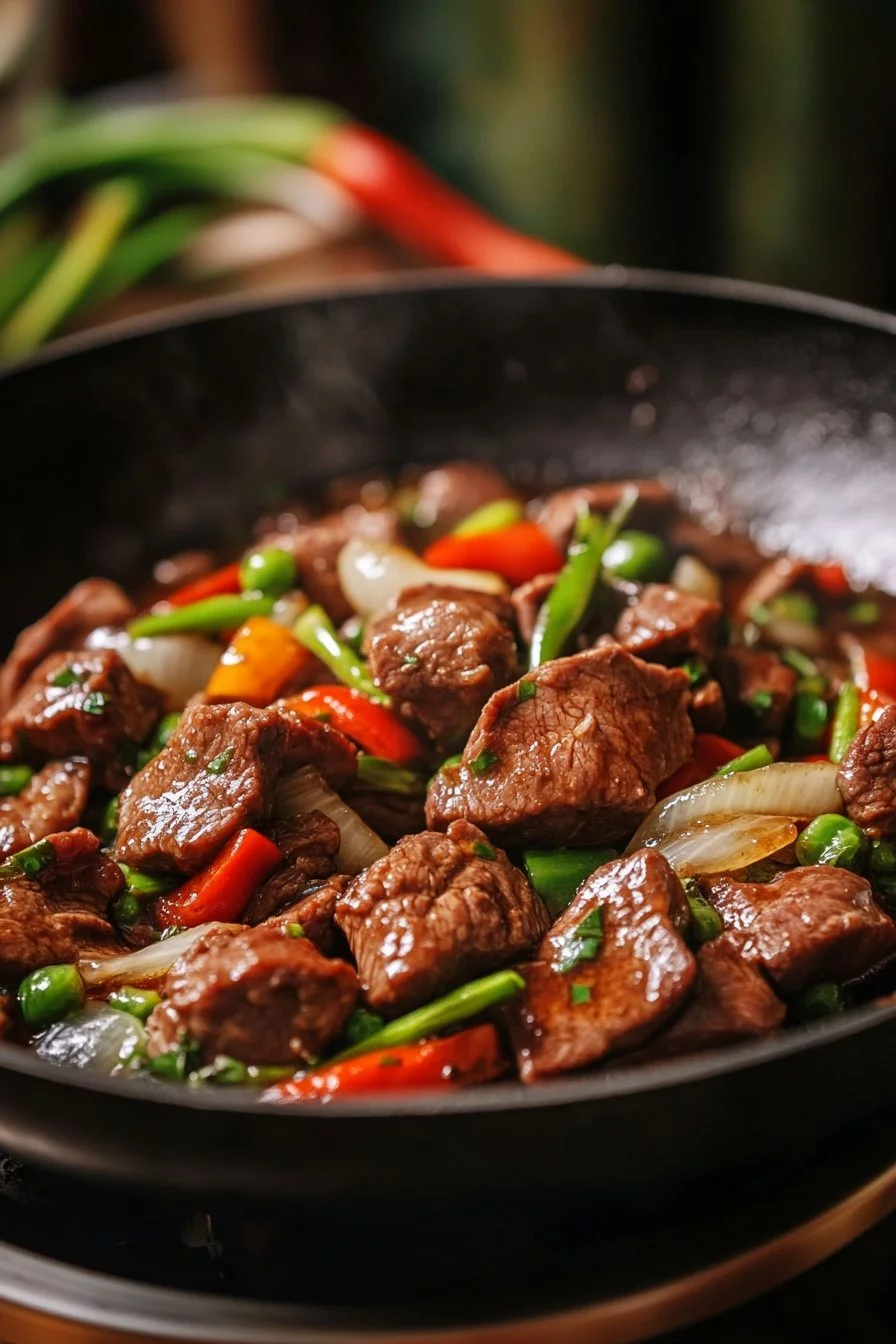
Sautéing is a quick cooking method that allows for high heat and fast cooking times. Mastering it can elevate your cooking game. When making beef sauté, pay attention to the oil’s temperature. Cooking at medium-high heat ensures that the meat sears properly and retains its juices.
It’s crucial to avoid overcrowding the pan. When too many ingredients occupy the surface, they steam instead of sautéing. If you’re preparing a larger batch, consider working in smaller sections to maintain proper heat and achieve the desired texture.
Tips/tricks
Experiment with various vegetables to customise your beef sauté. Seasonal produce can add different flavours and colours to the dish, making it versatile. Try adding snow peas, mushrooms, or even baby corn to enhance the dish’s overall appeal.
Another tip is to use day-old rice for serving. It retains its texture better than freshly cooked rice, not clumping together. Simply reheat it before serving for an ideal base for your sauté.
Part 3 — Perfecting Your Beef Sauté
Perfecting results
To ensure your beef sauté shines, focus on the balance of flavours. The soy sauce should provide that umami richness, while the sesame oil adds a nutty aroma. Adjusting the quantities based on your taste preferences can help achieve the perfect balance.
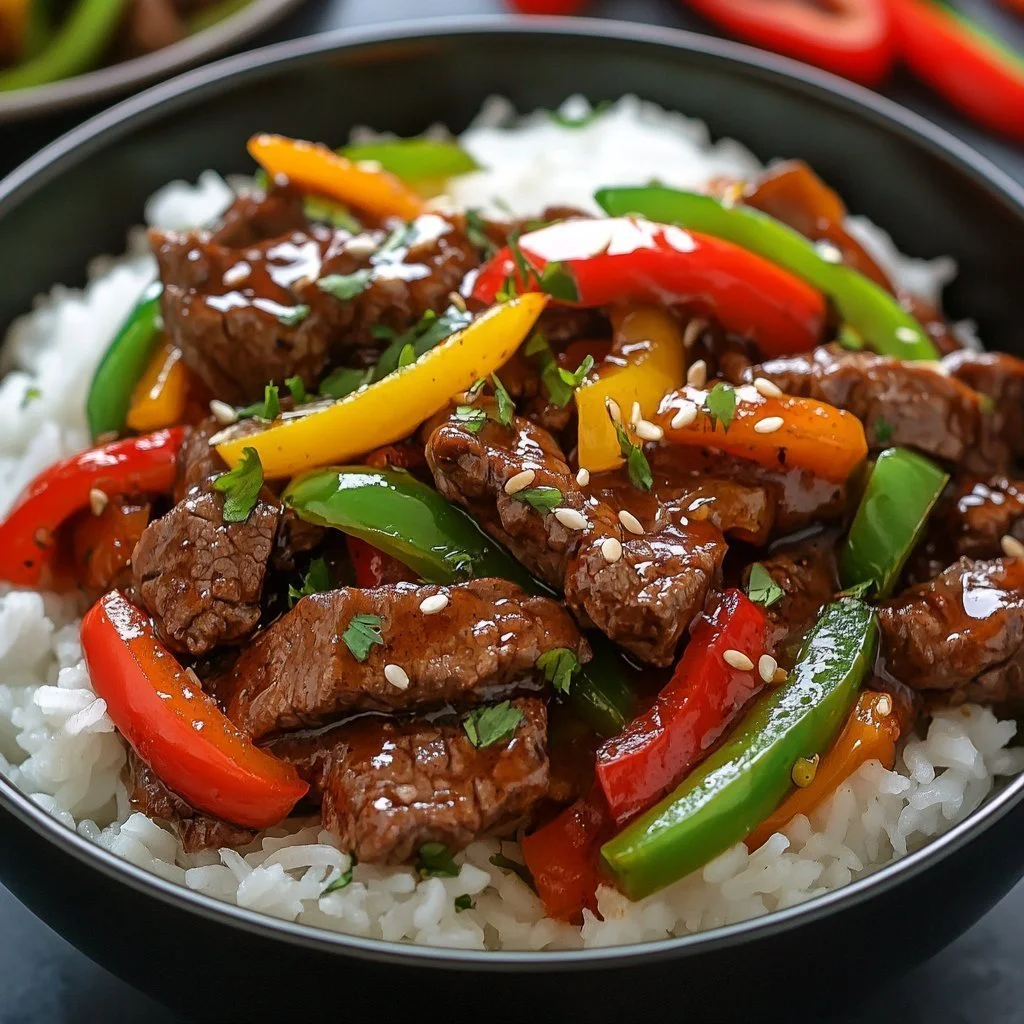
For added depth, consider sprinkling a few sesame seeds over the finished dish. This not only enhances the presentation but also adds a delightful crunch that complements the tender beef and vegetables beautifully.
Troubleshooting/variations
If your beef becomes tough, it may be due to overcooking or using a less tender cut. Always aim for a quick sear to retain moisture. If you find your sauce is too salty, a splash of water or broth can help balance it out without detracting from the overall flavour.
Feel free to try this recipe with different proteins like chicken or tofu. The cooking method remains the same, and you can enjoy a similar experience with varying tastes and textures.
Part 4 — Serving and Storage Ideas
Serving/presentation
Presentation elevates any dish. For your beef sauté, consider using a large white plate to showcase the vibrant colours of the ingredients. Arrange the sauté over the rice attractively, adding a sprinkling of sesame seeds or green onions for that touch of finesse.
Incorporating colourful vegetables not only enhances the visual appeal but also adds nutritional value. This thoughtful arrangement makes your meal look inviting.
Pairings/storage
Pairing beef sauté with a fresh side salad or Asian-inspired coleslaw can provide a delightful crunch. These items complement the main dish, making for a satisfying meal.
When it comes to storage, refrigerate leftovers promptly. Properly stored beef sauté can last for up to three days in the fridge. To reheat, use a skillet over medium heat, adding a bit of water to prevent the dish from drying out.
This beef sauté not only becomes a staple in your kitchen but also serves as a canvas for creativity and experimentation. Enjoy the process and the delicious outcomes!

Beef Sauté
Ingredients
Method
- In a large skillet or wok, heat the sesame oil over medium-high heat.
- Add the sliced beef and brown it thoroughly.
- Incorporate the sliced carrots, red pepper, and broccoli into the skillet, stirring for about five minutes.
- Once the vegetables soften, add the minced garlic and grated ginger, cooking for an additional 1-2 minutes until fragrant.
- Finally, pour the soy sauce over the mixture, ensuring even distribution of flavours.
- Serve hot over a bed of cooked rice.