
📑 Table of Contents ▶
- Focaccia: Discovering the Fundamentals
- Fundamentals
- Preparation and Setup
- Directions
- Getting to Know Focaccia Techniques
- Technique
- Tips and Tricks
- Perfecting Your Focaccia Results
- Perfecting Results
- Troubleshooting and Variations
- Presenting Your Focaccia
- Serving and Presentation
- Pairings and Storage
- Ingredients
- Method
Focaccia
Welcome to Eatimi.com! I’m Olivia Hart — a home-cook who believes delicious food doesn’t need complicated techniques. Here I share easy everyday recipes, family meals, quick ideas for busy days and helpful kitchen tips to make cooking simple and fun. My goal is to help you feel confident in the kitchen and enjoy homemade food with joy, comfort and love. 💛
Focaccia has always held a special place in my heart. The aroma of freshly baked bread wafts through my kitchen, filling the air with warmth and comfort. I remember the first time I attempted making focaccia; the dough was a bit sticky, but that didn’t deter my excitement. With each gentle fold, I felt more connected to the art of baking and the joy of creating something from scratch.
The beauty of focaccia lies not only in its texture but also in its versatility. With just a handful of ingredients — warm water, yeast, flour, olive oil, and a pinch of salt — magic happens. This delicious bread transforms into a canvas for herbs, toppings, and even dips. It invites creativity, and each batch can reflect personal tastes and preferences.
As families gather around the table to break bread, focaccia becomes more than just a meal; it becomes a memory. Whether paired with a simple salad or enjoyed on its own, focaccia brings people together in the most delightful ways. Follow me as we delve into the world of focaccia, where the combination of basic ingredients leads to extraordinary results.
Focaccia: Discovering the Fundamentals
Fundamentals
Understanding the fundamentals of focaccia elevates your baking experience. The key lies in the harmony between the ingredients and the method you use. Warm water activates the yeast, jumpstarting the fermentation process. This creates bubbles that lead to a delightfully airy bread. Not just any yeast will do; instant dry yeast ensures a quick and effective rise, which is essential for achieving that characteristic fluffy texture.
The flour you choose impacts the final outcome significantly. All-purpose flour or bread flour works well, creating a sturdy base for your focaccia. The addition of salt enhances the flavour while playing a crucial role in controlling the yeast’s activity. Too much salt can inhibit yeast growth, but the right amount adds depth and richness to the bread.
Olive oil contributes moisture and creates a beautifully crisp crust. The optional addition of rosemary provides a fragrant hint, evoking memories of Mediterranean landscapes. Together, these fundamentals combine to create the foundation for a delicious focaccia.
Preparation and Setup
Preparation is straightforward but requires a little patience. Start by activating the yeast: mix warm water, yeast, and sugar in a small bowl. Within 30 seconds, the mixture transforms, bubbling to life and preparing for the adventure ahead. In a separate large bowl, combine the flour and salt, infusing the mixture with flavour while maintaining the structural integrity of the bread.
Once the yeast is active, introduce it to the flour mix. Stir with a wooden spoon until a sticky dough forms. At this stage, the dough will feel rough and uneven, but that’s perfectly normal. Adding olive oil makes a significant difference. Incorporate two tablespoons of oil, which will help to soften the dough and prepare it for rising.
Cover the bowl with a cloth and let it rise for 1.5 to 2 hours. This waiting period allows the dough to develop flavour and texture while increasing in size. After the rise, gently fold the dough 20-40 times to create layers. This step is crucial for developing structure, ensuring that each slice of focaccia is light and airy.
Ingredients
To create the perfect focaccia, gather these essential ingredients:
- 1¾ cup of warm water
- 2 teaspoons of instant dry yeast
- 2 teaspoons of sugar
- 4 cups of all-purpose flour or bread flour
- 3 teaspoons of salt
- 6 tablespoons of extra virgin olive oil
- ½ teaspoon of rosemary
With these ingredients, you are well on your way to mastering focaccia.
Directions
- Activate the yeast by mixing warm water, yeast, and sugar in a small bowl. Let it rest for about 30 seconds.
- In a large bowl, mix flour and salt. Once the yeast is active, add it to the flour mix and stir with a wooden spoon for about one minute until you get a sticky dough.
- Add 2 tablespoons of olive oil and mix well. Cover the bowl and let it rise for 1.5 to 2 hours.
- After rising, gently fold the dough 20-40 times.
- Grease the baking tray with 2-3 tablespoons of olive oil and transfer the dough, stretching it evenly.
- Allow it to rest for another 45 minutes.
- Prepare a topping mix by combining 2 tablespoons of olive oil, 3 tablespoons of water, and ½ teaspoon of salt. Make dimples in the dough, pour the mix over it, and finish with rosemary and salt.
- Preheat the oven to 230°C (450°F) and bake for 20-25 minutes. Let it cool for 5 minutes before serving.
Getting to Know Focaccia Techniques
Technique
The technique of making focaccia involves a few vital steps that enhance the dough’s texture and flavour. As previously mentioned, activating the yeast is crucial. However, did you know that the temperature of the warm water can make a difference? Water that is too hot can kill the yeast, while water that is too cool may not activate it effectively.
Kneading the dough gently is important to develop gluten without overworking it. In focaccia, we want a gentle touch to maintain the lightness. After the initial rise, folding helps to redistribute the air bubbles, leading to a lovely texture.
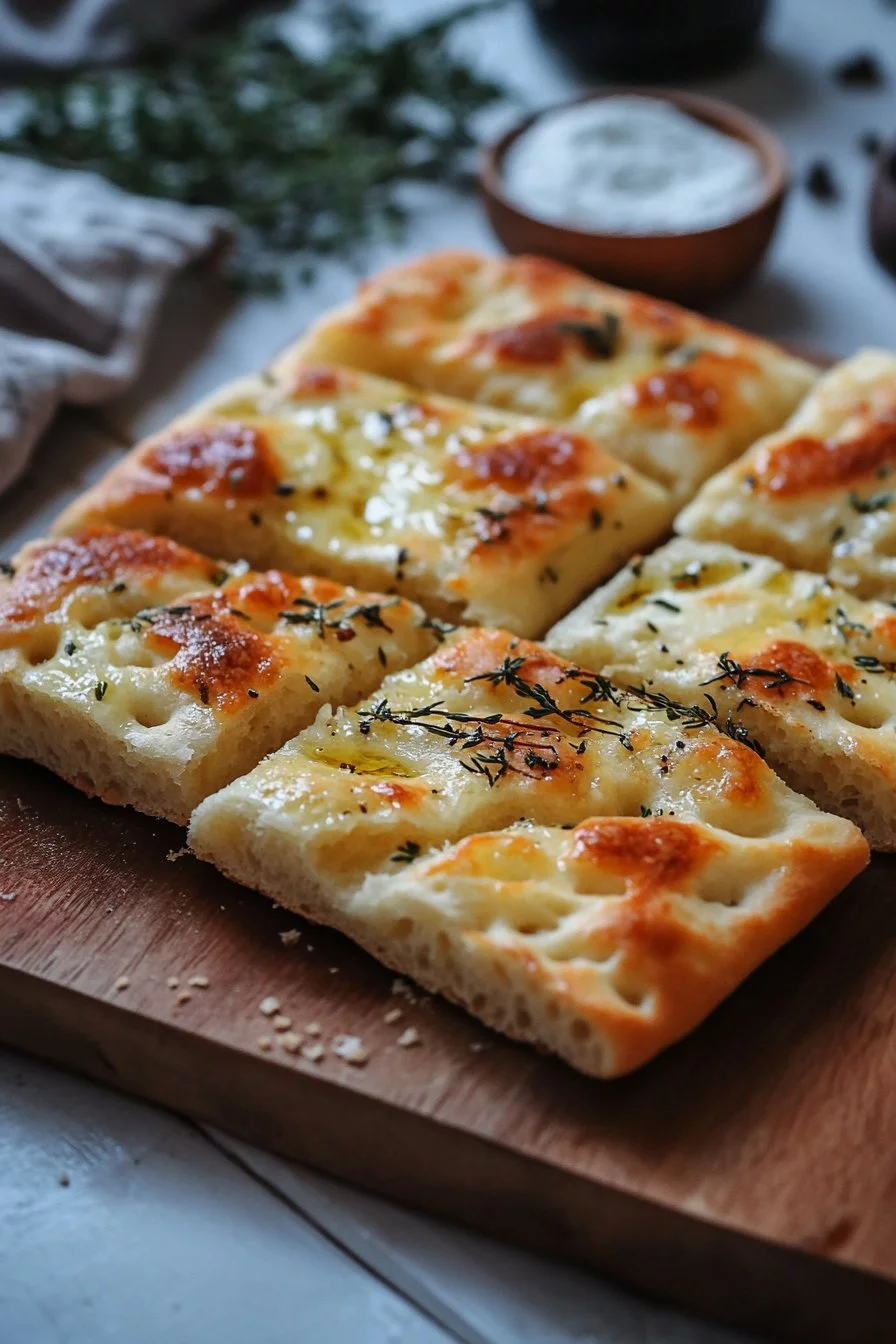
When transferring the dough to the baking tray, use olive oil generously. This step not only prevents the dough from sticking but also creates a golden, crispy crust during baking. Make those dimples deep enough to catch the topping mix, which adds extra flavour.
Tips and Tricks
Focaccia is wonderfully forgiving, making it perfect for beginner bakers. Here are some tips to ensure success:
- Use fresh yeast for the best results.
- Experiment with toppings such as sea salt, garlic, or even sliced cherry tomatoes.
- Keep an eye on the dough during the rise; environmental factors can affect the timing.
- If you prefer a softer crust, cover the focaccia with a cloth while it rests before baking.
These simple techniques and tips can elevate your focaccia to unimaginable heights.
Perfecting Your Focaccia Results
Perfecting Results
Perfecting focaccia requires practice and attention to detail. Monitor the texture carefully. If the dough seems too dry, add a touch more olive oil during mixing. Conversely, if it feels excessively sticky, a little more flour can help balance it out.
Baking temperature also plays a significant role. Make sure your oven is fully preheated before placing the focaccia inside. This ensures that it puffs up nicely and develops that sought-after crust.
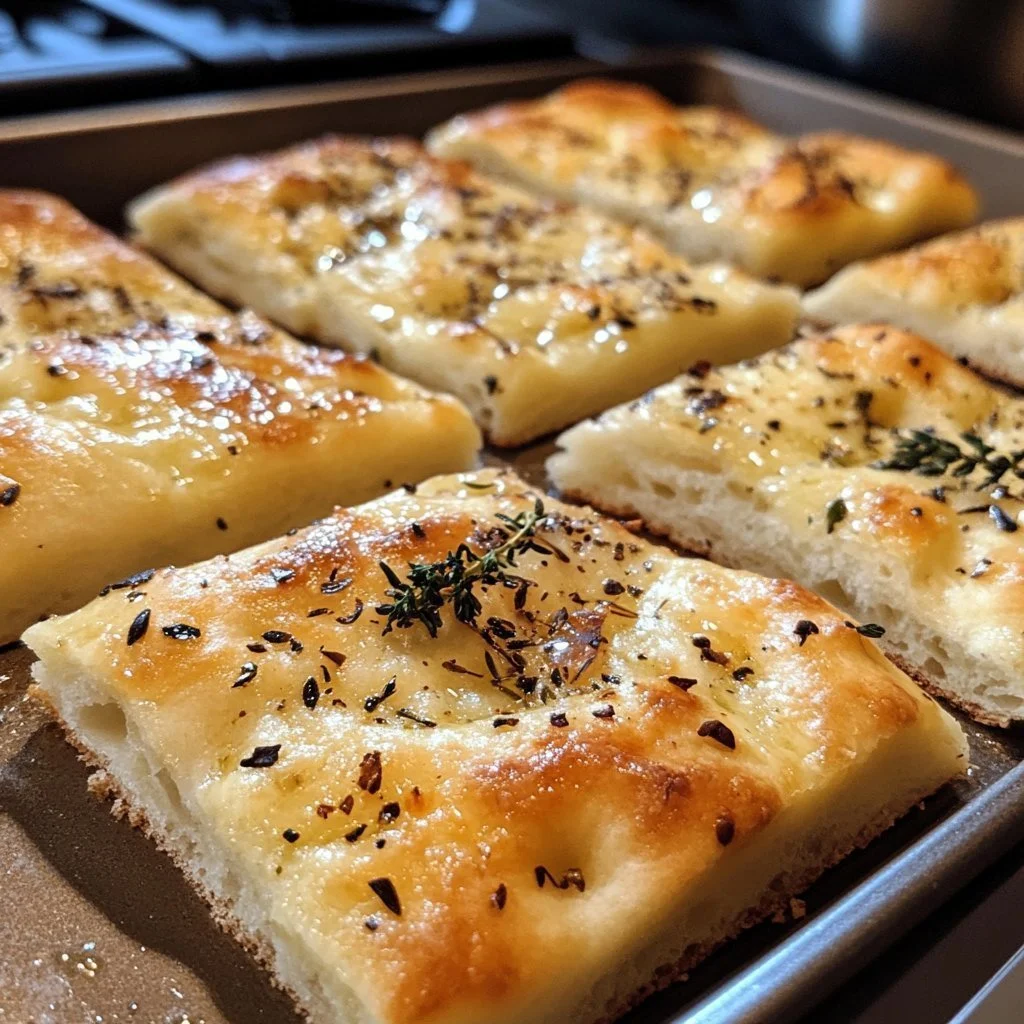
After baking, a few minutes of cooling enhances the flavour. As you slice into the focaccia, take a moment to appreciate the soft interior and the crispy exterior. It’s a delightful contrast that keeps everyone coming back for more.
Troubleshooting and Variations
Even experienced bakers face challenges now and then. If your focaccia turns out dense, it may have been under-kneaded or not given enough time to rise. A gentle hand will prevent overworking and ensure a light texture.
Want to switch things up? Try adding olives or sun-dried tomatoes into the dough before the final rise. The possibilities are endless, providing room for creativity each time you make focaccia.
Presenting Your Focaccia
Serving and Presentation
Serving focaccia can be a memorable experience. Break it apart using your hands or slice it into squares for casual get-togethers. Drizzle with a little olive oil or balsamic vinegar for an elegant touch if desired. A sprig of rosemary on top can elevate the visual appeal.
Focaccia pairs excellently with various dishes. Enjoy it alongside soups, salads, or even a cheese platter. Its texture and flavour make it a versatile accompaniment that complements many meal types.
Pairings and Storage
Storing focaccia is easy. Keep any leftover bread in an airtight container at room temperature for up to three days. For longer storage, wrap it well and freeze, allowing you to enjoy homemade focaccia anytime.
With these tips, you can enjoy focaccia in many forms, whether fresh out of the oven or toasted with dips. This bread transcends mealtime, bringing a sense of satisfaction and warmth to every bite.
Focaccia inspires creativity and community. It doesn’t just fill bellies; it fills hearts alongside laughter and conversations. As you explore this delightful bread, you may find it becomes a staple of your culinary journey, inviting the joy of homemade goodness into your home.
Focaccia
Ingredients
Method
- Activate the yeast by mixing warm water, yeast, and sugar in a small bowl. Let it rest for about 30 seconds.
- In a large bowl, mix flour and salt. Once the yeast is active, add it to the flour mix and stir with a wooden spoon for about one minute until you get a sticky dough.
- Add 2 tablespoons of olive oil and mix well. Cover the bowl and let it rise for 1.5 to 2 hours.
- After rising, gently fold the dough 20-40 times.
- Grease the baking tray with 2-3 tablespoons of olive oil and transfer the dough, stretching it evenly.
- Allow it to rest for another 45 minutes.
- Prepare a topping mix by combining 2 tablespoons of olive oil, 3 tablespoons of water, and 0.5 teaspoon of salt.
- Make dimples in the dough, pour the mix over it, and finish with rosemary and salt.
- Preheat the oven to 230°C (450°F) and bake for 20-25 minutes.
- Let it cool for 5 minutes before serving.