
📑 Table of Contents ▶
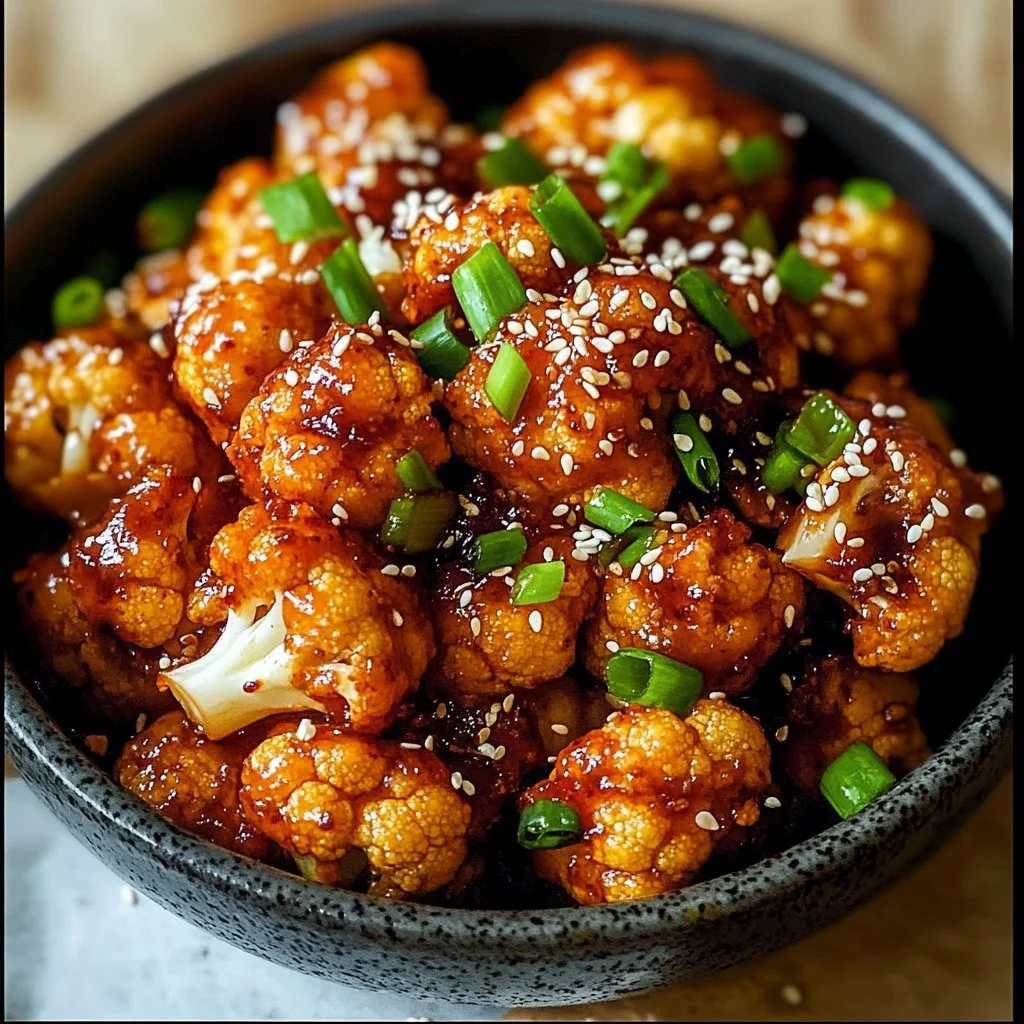
Korean Baked Cauliflower
Welcome to Eatimi! I’m Olivia Hart — a home-cook who believes delicious food doesn’t need complicated techniques. Here I share easy everyday recipes, family meals, quick ideas for busy days, and helpful kitchen tips to make cooking simple and fun. My goal is to help you feel confident in the kitchen and enjoy homemade food with joy, comfort, and love. 💛
The first time I encountered Korean baked cauliflower, I was intrigued by its vibrant flavour and rich, spicy notes. I had just discovered the wonders of gochujang and found its deep umami taste to pair beautifully with roasted cauliflower. As I experimented, my kitchen filled with the warm, inviting aroma of ginger and garlic mingling with earthy cauliflowers baking in the oven. Each bite offered a delightful crunch, boosting my appreciation for vegetables.
This dish quickly became a staple in my home. Friends raved about its uniqueness at gatherings, while my family savoured it as a comfort food during busy weeks. The perfect blend of sweet and spicy from the sauce brings this humble vegetable to new heights. Korean baked cauliflower is not just a side; it’s a dish that sparks conversation and casual joy around the table.
Korean Baked Cauliflower
Fundamentals
To create the perfect Korean baked cauliflower, understanding a few basic principles is essential. Roasting vegetables intensifies their flavours, unlocking natural sweetness and providing a satisfying texture. Cauliflower, in particular, becomes wonderfully crispy when roasted at the right temperature. The key lies in evenly coating the florets with oil, salt, and a spice blend that elevates each bite.
Choosing high-quality ingredients makes all the difference. Fresh cauliflower florets should be bright white with firm, compact structures. Pairing the cauliflower with a careful balance of condiments enhances its innate taste. Gochujang, in particular, highlights the dish, adding complexity and warmth that keep you reaching for more.
Preparation/setup
Before diving into cooking, preparation is key to a seamless cooking experience. Start by preheating your oven to 400°F (200°C). This temperature ensures the ideal roasting environment for achieving that perfect golden-brown exterior.
Next, rinse and cut the cauliflower into uniform florets. Consistent sizing is critical to ensure even cooking. Once chopped, toss the florets in a mixing bowl with olive oil, salt, and black pepper. Use your hands to ensure each piece gets coated. Spread them out on a baking sheet in a single layer — overcrowding leads to steaming rather than roasting.
Ingredients
The magic of Korean baked cauliflower lies in its delightful ingredients, which include:
- 1 large head of cauliflower, cut into florets
- 2 tablespoons of olive oil
- 1/2 teaspoon of salt
- 1/2 teaspoon of black pepper
- 2 tablespoons of gochujang
- 2 tablespoons of soy sauce
- 1 tablespoon of sesame oil
- 1 tablespoon of honey or maple syrup
- 1 teaspoon of rice vinegar
- 2 minced garlic cloves
- 1 teaspoon of grated fresh ginger
- 1 teaspoon of toasted sesame seeds (for garnish)
- 2 sliced green onions (for garnish)
Directions
- Preheat your oven to 400°F (200°C).
- Toss the cauliflower florets with olive oil, salt, and black pepper; spread them out on a baking sheet in a single layer.
- Roast for 25 to 30 minutes, flipping halfway through, until golden brown and crispy at the edges.
- While the cauliflower roasts, prepare the sauce. In a small bowl, whisk together gochujang, soy sauce, sesame oil, honey, rice vinegar, garlic, and ginger until smooth.
- For a thicker sauce, simmer in a small saucepan over medium heat for 3 to 5 minutes until slightly thickened.
- Remove the roasted cauliflower from the oven and drizzle or toss the sauce over the hot florets to coat them well. Return to the oven for an additional 5 minutes to achieve a more caramelized coating if desired.
- Garnish with toasted sesame seeds and sliced green onions. Serve hot as a side, appetizer, or main with rice or noodles.
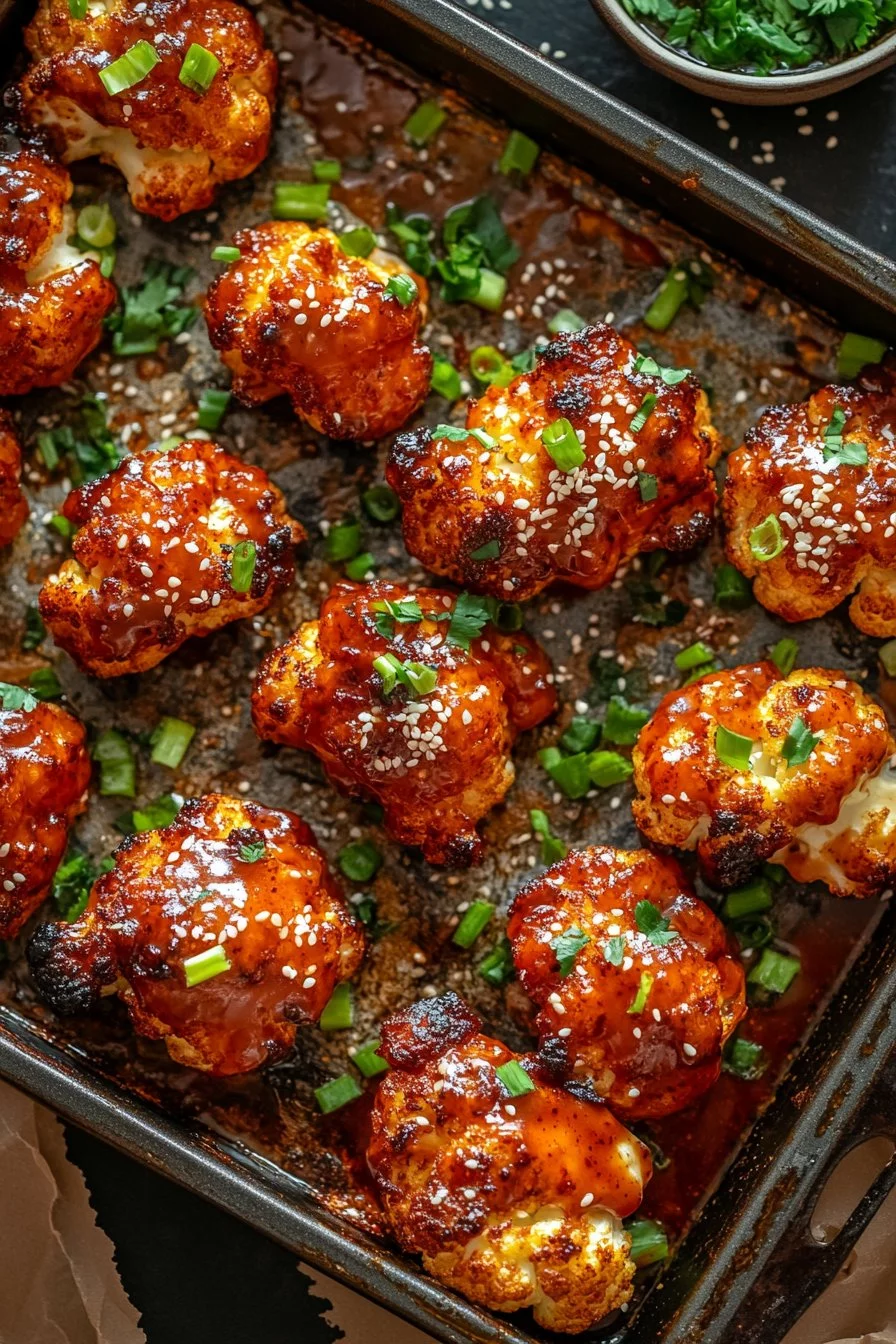
Spiced Cauliflower Delight
Technique
Embracing the right technique is crucial to bring out the best in Korean baked cauliflower. Roasting requires patience and attention, but the rewards are worth the effort. High heat encourages a beautiful caramelization, which saturates the cauliflower with flavour.
Consider flipping the florets halfway through the baking time. This rotation ensures they brown evenly, maximizing texture. Using a high-sided baking tray can help contain the heat, preventing spillage and ensuring a more efficient roasting process.
Tips/tricks
When embarking on the journey to achieve the ultimate baked cauliflower, keep these tricks in mind. For an even deeper spice profile, marinate the cauliflower in the sauce for at least 30 minutes before roasting. This soak allows the flavours to seep into the florets, enhancing taste throughout.
Feel free to experiment with the garnishes. Chopped coriander can add a refreshing note, while crushed nuts introduce a satisfying crunch. Each variation accentuates the cauliflower differently, providing a unique experience with every meal.
Elevating Your Cooking
Perfecting results
To perfect your Korean baked cauliflower, monitor cooking times closely. Ovens vary, and the goal is a crispy exterior with tender insides. Test with a fork; if it pierces easily but offers some resistance, you’ve hit the sweet spot.
Adjusting the amount of gochujang can also tailor the heat level to your liking. More gochujang provides bolder flavours, while less keeps it milder. This adaptability enables you to cater to various tastes and preferences.
Troubleshooting/variations
Common concerns may arise when trying a new recipe. If the cauliflower seems less crispy than expected, ensure that it is adequately spaced out on the baking sheet. Too many florets huddle together, leading to a steamed rather than roasted outcome.
For a sweet and savoury twist, try adding roasted nuts or dried fruits to the mix. They will add a new texture and contrast, creating a delightful interplay of flavours.
Serving Suggestions
Serving/presentation
Presenting your Korean baked cauliflower can turn an everyday meal into an eye-catching feast. Use a vibrant plate to showcase the colourful garnishes of green onion and sesame seeds. Layering the cauliflower on a bed of rice can also add visual appeal and serve as a delicious base for the dish.
Consider complementing it with sides of fresh salad or pickled vegetables. This creates a balance of flavours and enhances the overall dining experience. The combination of textures and tastes transforms a simple dish into a culinary delight.
Pairings/storage
Korean baked cauliflower shines as a versatile dish. It pairs beautifully with bowls of rice, aiding in soaking up all the delicious sauce. Alternatively, enjoy it alongside noodles for a more substantial meal. For plant-based enthusiasts, this dish can act as a centrepiece.
In terms of storage, leftover roasted cauliflower can stay fresh in an airtight container in the fridge for up to three days. For best results, reheat in the oven instead of the microwave. This way, the cauliflower maintains its crispy texture, ensuring each bite remains as delicious as the first.
Conclusion
Korean baked cauliflower showcases the ability to transform a simple vegetable into a vibrant dish full of flavour and warmth. Its sweet and spicy kick from the gochujang makes it a crowd-pleaser, whether as a side, appetizer, or main event. By mastering roasting techniques and experimenting with different ingredients, you’ll unlock endless opportunities to explore this delightful recipe. Embrace the journey of cooking, and enjoy every bite along the way.
Korean Baked Cauliflower
Ingredients
Method
- Preheat your oven to 400°F (200°C).
- Rinse and cut the cauliflower into uniform florets.
- Toss the florets in a mixing bowl with olive oil, salt, and black pepper, ensuring each piece gets coated.
- Spread the florets out on a baking sheet in a single layer.
- Roast the cauliflower for 25 to 30 minutes, flipping halfway through, until golden brown and crispy at the edges.
- While the cauliflower roasts, prepare the sauce by whisking together gochujang, soy sauce, sesame oil, honey, rice vinegar, garlic, and ginger in a small bowl until smooth.
- For a thicker sauce, simmer in a small saucepan over medium heat for 3 to 5 minutes until slightly thickened.
- Remove the roasted cauliflower from the oven and drizzle or toss the sauce over the hot florets to coat them well.
- Return to the oven for an additional 5 minutes to achieve a more caramelized coating if desired.
- Garnish with toasted sesame seeds and sliced green onions before serving.