
📑 Table of Contents ▶
Lemon Pound Cake
Welcome to Eatimi! I’m Olivia Hart — a home-cook who believes delicious food doesn’t need complicated techniques. Here I share easy everyday recipes, family meals, quick ideas for busy days and helpful kitchen tips to make cooking simple and fun. My goal is to help you feel confident in the kitchen and enjoy homemade food with joy, comfort, and love. 💛
Lemon pound cake brings to mind sunny afternoons spent with family. As a child, I watched my grandmother create this treat, her cheerful laughter mixing with the tangy scent of lemons wafting through the kitchen. The simple act of mixing ingredients felt magical. Each whisk of the bowl filled our home not just with scent but with warmth and love.
The first bite of lemon pound cake took me back to those moments. The soft texture combined with that bright lemony zest created an experience that was both comforting and invigorating. I remember sharing slices with my family, each piece accompanied by stories and laughter.
As time went on, I learned to recreate this beloved cake. With just a medium lemon, some sugar, and a few pantry staples, I crafted my own memories with every slice. It’s not just a dessert; it represents togetherness, joy, and the simplicity of good food. Here, I’ll guide you through making a delightful lemon pound cake that’ll fill your home with cheerful memories, just like mine.
Lemon Pound Cake Essentials
Fundamentals
Creating a beautiful lemon pound cake relies on understanding its fundamentals. This cake captures the perfect balance of sweetness and citrus brightness, making every slice a delight. The key lies in the ingredients. Use fresh lemon juice and zest to infuse that unmistakable lemony flavour throughout the cake.
Selecting the right type of milk and yogurt can enhance the cake’s moisture. Dairy-free options, such as almond or coconut milk, work wonderfully for those with dietary preferences or restrictions. The combination of ingredients you choose is crucial for achieving that classic pound cake texture.
Preparation/Setup
Start your baking journey by preheating your oven to 350°F (180°C) and lining a loaf pan with parchment paper to ensure easy removal of the cake. Having everything set up means you can focus on mixing the ingredients. Creating the batter becomes an enjoyable, seamless experience, allowing you to spend more time happily waiting for your cake to bake.
Gather your ingredients: grated lemon zest, lemon juice, milk, yogurt, sugar, oil, and vanilla extract. This straightforward combination will transform into light, flavorful magic.
Ingredients
Here’s what you’ll need to create a star lemon pound cake:
- 1 medium lemon (grated zest)
- ¼ cup lemon juice
- 1 cup milk (dairy-free options are suitable)
- ⅓ cup yogurt (dairy-free variations available)
- ¾ cup sugar
- ¼ cup oil (canola, sunflower, avocado, or light olive oil)
- 1 teaspoon vanilla extract
- 2 cups all-purpose flour
- 3 teaspoons baking powder
- ¼ teaspoon salt
- 1 cup powdered sugar (for glaze)
- 2 tablespoons lemon juice (for glaze)
- 1 teaspoon vanilla extract (for glaze)
Directions
- Preheat your oven to 350°F (180°C) and prepare your loaf pan with parchment paper.
- In a large mixing bowl, whisk together the grated lemon zest, lemon juice, milk, yogurt, sugar, oil, and vanilla extract until smooth.
- Sift in the flour, salt, and baking powder, mixing gently until just combined.
- Pour the batter into the prepared loaf pan.
- Bake the cake for 45 to 50 minutes, or until a toothpick inserted in the centre comes out clean.
- Allow the cake to cool on a wire rack while you prepare the glaze.
- For the glaze, mix powdered sugar, vanilla extract, and lemon juice until smooth. Pour it over the cooled cake.
- Slice and enjoy!

Crafting the Perfect Lemon Pound Cake
Technique
Baking is as much about technique as it is about ingredients. Mixing the wet and dry ingredients separately before combining them ensures an even texture. Always remember not to overmix your batter; gently folding the dry ingredients into the wet mixture prevents the development of excessive gluten, resulting in a dense cake.
Incorporating the lemon zest at the beginning immerses the batter in a citrus aroma, making the whole process feel refreshing. Using room temperature ingredients also allows for better emulsification and ultimately leads to a lighter, fluffier cake.
Tips and Tricks
When making lemon pound cake, timing is essential. Have all your ingredients ready to ensure a smooth baking process. For added flavour, consider adding a pinch of salt to balance the sweetness.
Letting the cake cool completely before adding the glaze prevents it from melting and soaking into your cake, allowing for that perfect finishing touch. If you love a more intense lemon flavour, adding extra lemon juice or zest enhances the brightness of the cake.
Perfecting Your Results
Perfecting Results
Achieving the ideal lemon pound cake involves some experimentation. Don’t hesitate to adjust the baking time based on your oven’s performance. If you notice the top browning too quickly while the centre remains raw, tent the cake with foil to prevent burning.
Using a kitchen scale can help ensure accurate measurements, leading to more consistent results each time you bake. Remember that every oven behaves differently, so keep an eye on the cake as it nears completion.
Troubleshooting and Variations
When cakes sink in the middle, it may indicate that the batter was overmixed or the oven temperature was too low. An underbaked cake can also cause sinking. If you find the texture too dense, you might increase the baking powder slightly for more lift in future attempts. For variations, consider adding poppy seeds or blueberries to the batter for an exciting twist on the classic recipe.
Serving and Storage
Serving and Presentation
Present your lemon pound cake on a beautiful platter, garnished with fresh berries or a sprig of mint for a pop of colour. The glaze adds a glossy finish, making it visually appealing for any gathering. Slices served with a dollop of whipped cream or a scoop of dairy-free ice cream elevate the experience.
Pairings and Storage
Lemon pound cake serves beautifully with a cup of tea or coffee, making it the perfect afternoon treat. For storage, keep the cake in an airtight container at room temperature for up to three days.
If you wish to extend its life, refrigerate the wrapped cake for up to a week. Enjoy storing some of your homemade lemon pound cake in the freezer, where it can remain fresh for up to three months. Thaw it before serving, and it will taste just as delicious.
Incorporating these elements into your lemon pound cake journey not only leads to delightful outcomes but also enriches your baking experience. Embrace the joy, simplicity, and wonderful memories that come with making and sharing this delightful treat.
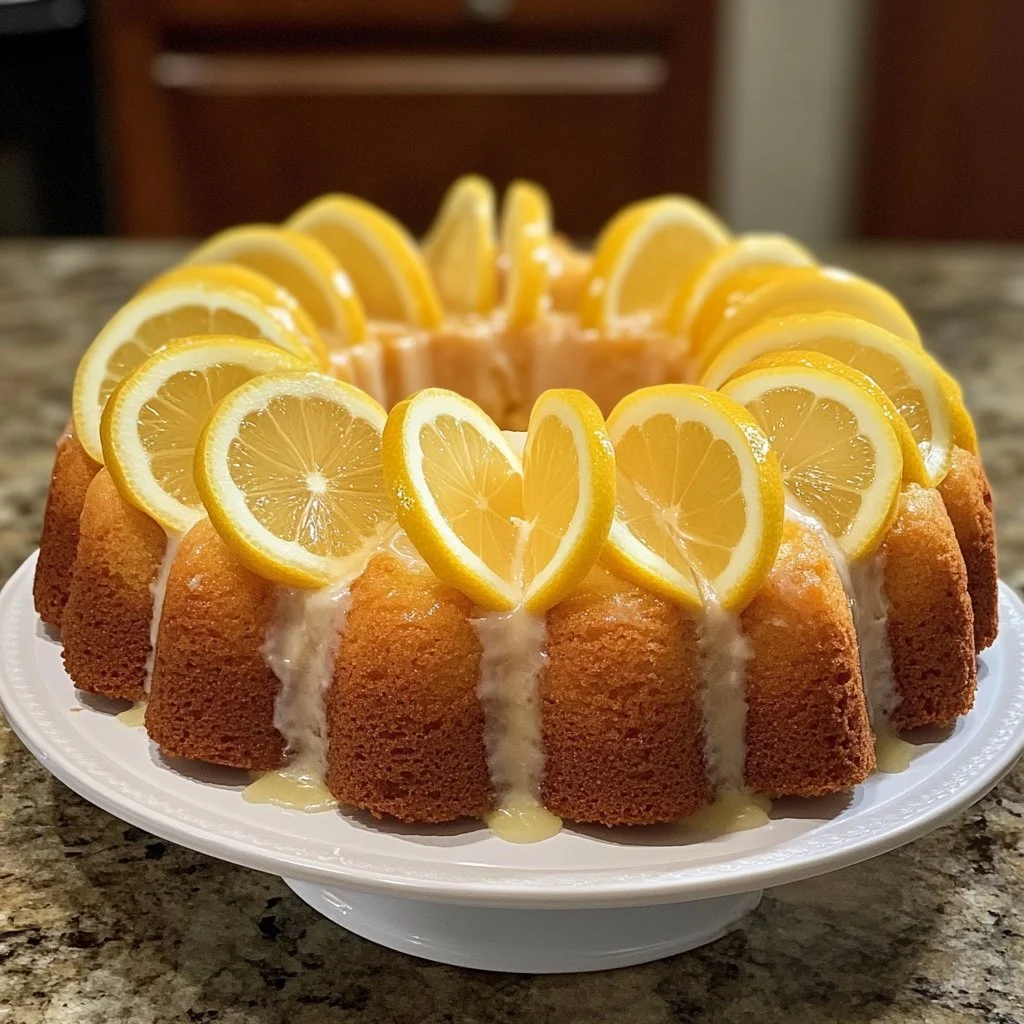
Lemon Pound Cake
Ingredients
Method
- Preheat your oven to 350°F (180°C) and line a loaf pan with parchment paper.
- In a large mixing bowl, whisk together the grated lemon zest, lemon juice, milk, yogurt, sugar, oil, and vanilla extract until smooth.
- Sift in the flour, salt, and baking powder, mixing gently until just combined.
- Pour the batter into the prepared loaf pan.
- Bake the cake for 45 to 50 minutes, or until a toothpick inserted in the centre comes out clean.
- Allow the cake to cool on a wire rack while you prepare the glaze.
- For the glaze, mix powdered sugar, vanilla extract, and lemon juice until smooth.
- Pour it over the cooled cake.
- Slice and enjoy!