
📑 Table of Contents ▶
Overnight Focaccia
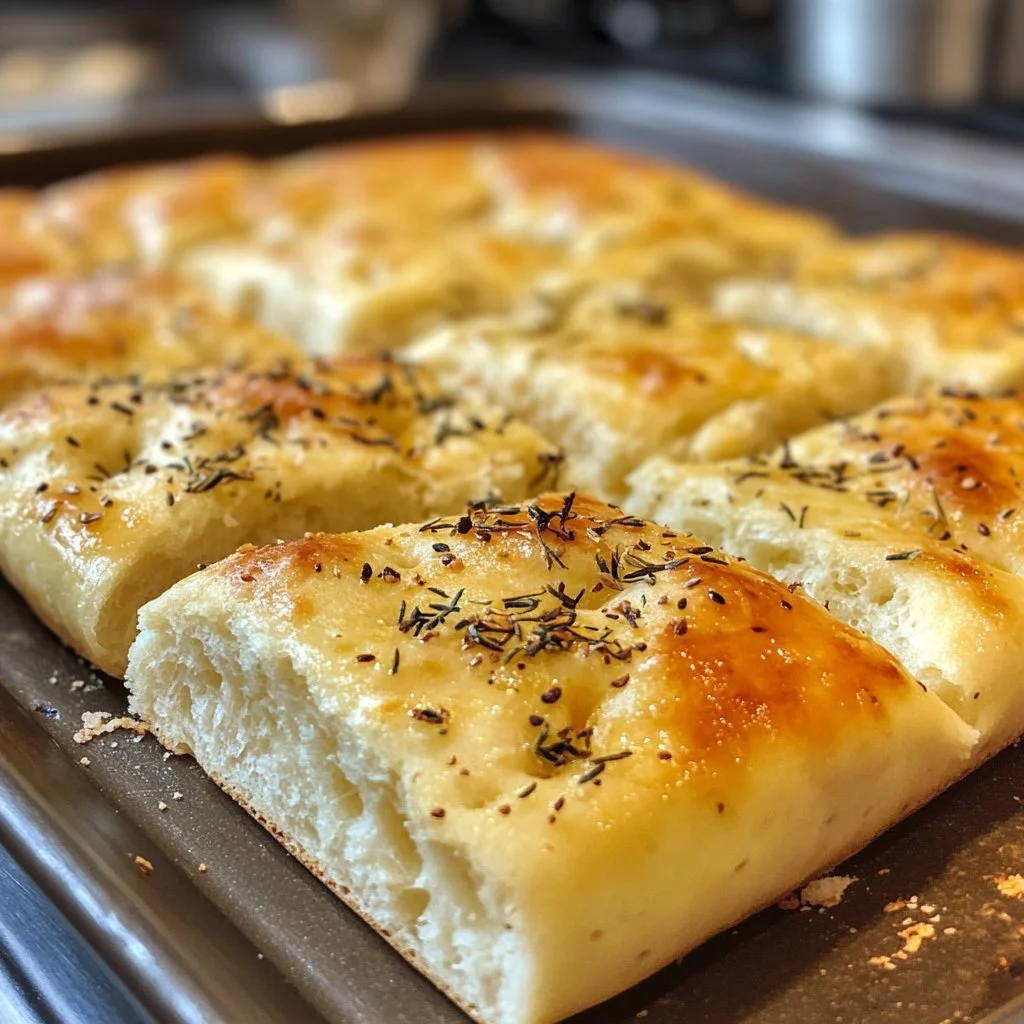
Creating overnight focaccia has transformed my weekends. There’s something magical about waking up to the scent of freshly baked bread wafting through the house. I remember the first time I tried making this tasty bread. It started as a bit of an experiment, but it quickly turned into a beloved weekend tradition. The process allows for a simple yet rewarding experience, and the end result leaves everyone wanting more.
With just a few ingredients, overnight focaccia becomes a delightful treat. The way the dough develops overnight enhances its flavour, texture, and aroma. This recipe has become a staple not just in my home, but also among family and friends. It creates opportunities for gatherings over shared meals, igniting conversations that linger over gentle bites of fluffy, herb-infused bread.
In this article, we’ll take a deep dive into creating the perfect overnight focaccia. You will gather tips and insights into each step, ensuring your bread rises to perfection. Let’s embark on this journey to craft a delicious loaf that captures the essence of home baking.
Understanding Overnight Focaccia
Fundamentals
Embracing the fundamentals of focaccia is crucial to mastering this beloved bread. The enchanting process starts with a simple mixture of flour, water, and yeast. This flour blend transforms into an airy dough that captures and embraces the flavour of added ingredients. Understanding how each component works together leads to delicious results.
Active dry yeast plays a pivotal role. It allows the dough to rise, creating air pockets. Warm water activates the yeast, so be mindful of the temperature—too hot can kill it, while too cold won’t help it rise.
Incorporating extra virgin olive oil not only adds richness but also contributes to a tender crust. The oil encourages the golden layer that forms during baking, enhancing the overall experience.
Preparation/Setup
Preparation for overnight focaccia involves minimal fuss, making it perfect for any home cook. Begin by gathering the ingredients: King Arthur All-Purpose Flour, warm water, honey, kosher salt, active dry yeast, extra virgin olive oil, rosemary, garlic, oregano, red pepper flakes, and Parmigiano-Reggiano cheese.
Start by combining honey and yeast in warm water. A quick stir activates the yeast, and waiting five minutes allows it to get going. While that works, whisk together the flour and salt in another bowl. This creates a solid base for your dough.
Next, you can gradually pour the water mixture and olive oil into the flour. The mixture will come together as you stir, forming a wet blob of dough. Once combined, cover the bowl with plastic wrap and a kitchen towel. Letting it rest for five minutes introduces a nice break.
Ingredients
This focaccia requires:
- 480 grams King Arthur All-Purpose Flour
- 390 grams warm water
- 14 grams honey
- 14 grams kosher salt
- 2 grams active dry yeast
- 40 grams extra virgin olive oil
- 1 to 2 sprigs of rosemary, chopped
- 2 cloves garlic, finely minced
- 1 tsp oregano
- Kosher salt, to taste
- Pinch of red pepper flakes
- Parmigiano-Reggiano, freshly grated
These ingredients harmonise beautifully, contributing to the savoury and aromatic profile of the focaccia. Each one plays its part, from the yeast creating lion’s share of the rise to the toppings delivering a flavorful punch.
Directions
- Combine honey and yeast in warm water and mix well. Let it sit for 5 minutes.
- In another bowl, whisk flour and salt together.
- Gradually pour the water mixture and olive oil into the flour. Stir until combined, forming a wet blob of dough.
- Cover the bowl with plastic wrap and a kitchen towel. Allow it to rest for five minutes.
- After resting, wet your hand and stretch and fold the dough 4-5 times, rotating the bowl after each fold. Cover and rest for another 15 minutes.
- Repeat the stretch and fold process. After this round, flip the dough so the smooth side is up. Drizzle olive oil on top, making sure to coat the dough. Cover and refrigerate for 12-18 hours.
- The next day, pour some olive oil into the bottom of a 9×13 pan. Remove the dough from the fridge; it should have risen and formed air bubbles. Pour the dough into the pan, ensuring the smooth side is on top. Cover and let it sit in a warm spot for 2-4 hours, until the dough fills 85-90% of the pan.
- Prepare the brine by dissolving salt in warm water. Uncover the dough, dimple it using your fingertips, and pour the brine over it.
- Cover again and let proof for 45 minutes. Preheat the oven to 500 degrees Fahrenheit during this time.
- While the dough proofs, mix together the topping ingredients (chopped rosemary, minced garlic, oregano, olive oil, red pepper flakes, and cheese) and set them aside.
- Once the final proofing is complete, uncover the dough, pour the topping over it, and drizzle with more olive oil. Optionally, add more Parmigiano-Reggiano.
- Lower the oven temperature to 425 degrees Fahrenheit and bake the focaccia for around 30 minutes or until golden brown. Ensure the internal temperature reaches at least 200 degrees Fahrenheit.
- For the last 15 minutes, move the focaccia to the bottom rack for extra crispness.
- Remove from the oven, let it rest in the tray for 7 minutes, and transfer to a wire rack to cool completely.

Focaccia Variations
Technique
The technique behind overnight focaccia lies in patience and careful handling of dough. By allowing the dough to rest and rise at different stages, you enhance its flavour and texture. The overnight chilling provides a slow fermentation, allowing for complex taste development.
The stretching and folding process helps build gluten strength without over-kneading. Wet hands prevent the dough from sticking to your fingers, making it easier to manage during this process.
Tips and Tricks
Achieve the best overnight focaccia by keeping a few tips in mind. Experiment with varied toppings like fresh tomatoes, olives, or caramelized onions. Changing the toppings can turn a simple focaccia into a gourmet treat.
Do not forget to keep the dough moist during its resting phases. This ensures it won’t dry out, leading to a tender and fluffy outcome. Always keep your workspace lightly floured to avoid excessive sticking.
Using fresh ingredients enhances the flavours. Opt for high-quality olive oil, fresh garlic, and real Parmigiano-Reggiano.
Perfecting Overnight Focaccia
Perfecting Results
Perfecting your focaccia may take a couple of tries, but the results will astonish you. Always keep an eye on the dough during its proofing stages. You want it to rise adequately without collapsing.
For a light and airy texture, ensure the internal temperature reaches 200 degrees Fahrenheit. Checking with a food thermometer gives you peace of mind that your bread is adequately cooked.
Troubleshooting and Variations
Sometimes, things don’t go as planned. Under-proofed dough may end up dense and heavy. If the dough hasn’t risen enough within the suggested time frames, allow it a bit longer in a warm spot before baking.
For variations, consider incorporating different herbs or spices. Mixing in a handful of grated cheese directly into the dough can elevate the overall flavour profile, making it uniquely yours.
Serving and Storing Overnight Focaccia
Serving and Presentation
When it comes time to serve your focaccia, explore creative ways to showcase it. Slice the bread into squares or tear it into rustic pieces for an inviting presentation. A drizzle of additional olive oil and a sprinkle of fresh herbs can elevate the serving experience.
Pair the focaccia with dips like herb-infused oils or creamy hummus. This makes for a delightful appetizer or snack during gatherings.
Pairings and Storage
Focaccia offers versatility in serving options. Team it with salads for a complete meal or enjoy it alongside soups for a hearty platter.
Storing focaccia is simple. Keep it in an airtight container at room temperature for up to three days. For longer preservation, freezing portions works wonders. Wrap sections tightly in plastic wrap, then place them in a freezer bag, keeping them fresh until next use.
Focaccia holds its appeal day after day, making leftovers a treasure rather than a disappointment. Simply reheat in the oven for a few minutes before serving, restoring its crispy exterior.
Creating overnight focaccia yields a rewarding experience, transforming simple ingredients into something truly special. Enjoy this delicious bread as part of everyday life or as a centerpiece for your next gathering.