
📑 Table of Contents ▶
Sourdough Bread
Welcome to Eatimi! I’m Olivia Hart — a home cook who believes delicious food doesn’t need complicated techniques. Here I share easy everyday recipes, family meals, quick ideas for busy days and helpful kitchen tips to make cooking simple and fun. My goal is to help you feel confident in the kitchen and enjoy homemade food with joy, comfort and love. 💛
Baking sourdough bread is like nurturing a living thing. The transformation that occurs as you blend simple ingredients into something extraordinary fills the kitchen with an enticing aroma. I still remember the first time I made sourdough. I watched as the dough puffed up and expanded in a warm, cozy bowl. Each rise and stretch imbued the dough with an undeniable charm. That sense of magic never leaves me when I work with sourdough.
The beauty of sourdough lies not only in its crusty exterior but also in the satisfaction of creating something from scratch. Using just flour, water, salt, and a bit of love, you can produce a rustic loaf that encourages connection around the table. You’ll discover the joy of baking sourdough can bring out the inner chef in everyone. Let’s dive into this journey of creating homemade sourdough bread.
The Fundamentals of Sourdough Bread
Baking sourdough bread requires some basic understanding of its components. Most importantly, your sourdough starter acts as the leavening agent, offering that unique tangy flavour. The warm water not only hydrates the flour but also encourages fermentation. Olive oil adds richness, while sea salt enhances the dough’s flavour. At the heart of it all is bread flour, which provides that essential structure, working together seamlessly with the other ingredients.
Choosing the right flour is critical. Look for white bread flour with at least 12% protein content to achieve the ideal texture. This higher protein content creates a strong gluten network, allowing your bread to rise properly and maintain its shape. Finding a good balance of these basic ingredients sets the stage for the magic that follows.
Preparation and setup can significantly impact the outcome of your sourdough. Start by clearing and cleaning your workspace. Gather your ingredients and tools, including a large bowl, a floured surface for kneading, and an oiled bowl for rising. Having everything within reach allows the process to flow smoothly and keeps the experience enjoyable.
Ingredients
Here’s what you need to create your sourdough bread:
- 100g active sourdough starter
- 390ml warm water (105/110F)
- 1 tablespoon (15ml) extra virgin olive oil
- 2 teaspoons (10g) fine sea salt
- 500g white bread flour (12% protein content or higher)
These straightforward ingredients form the basis of your delicious loaf. Embrace the simplicity, and you’ll be delighted by the results.
Directions
- In a large bowl, mix the sourdough starter with warm water.
- Add the olive oil, sea salt, and flour.
- Combine until a dough forms.
- Knead the dough on a floured surface for about 10 minutes until smooth.
- Place the dough in a lightly oiled bowl, cover, and let it rise until doubled in size (about 1-2 hours).
- Preheat the oven to 220C/430F.
- Shape the dough and place it in a baking dish or on a baking sheet.
- Bake for 22-25 minutes on the lowest rack of the oven for a crisp base.
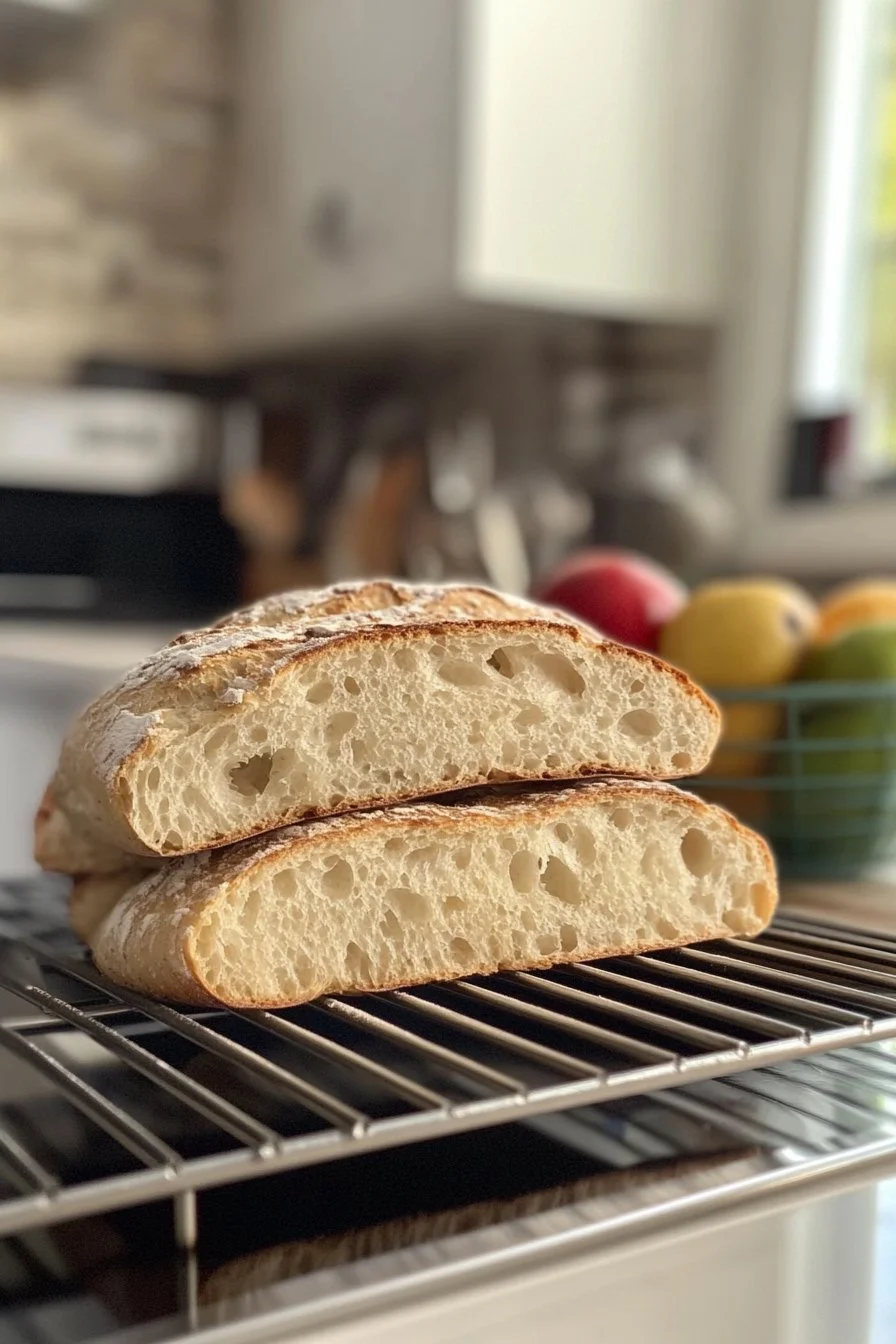
Techniques for Sourdough Success
While the steps to make sourdough seem straightforward, mastering the techniques requires practice. Kneading is an essential part of developing gluten in the dough. As you knead, you’re creating a network that traps gases during fermentation, allowing the dough to rise. Focus on using the heel of your hand and pushing the dough away, then folding it back toward you.
Another critical technique involves knowing when your dough is perfectly risen. It should double in size and feel lighter as the air builds up. You can perform the "poke test" by gently pressing two fingers into the dough; if it springs back slowly, it’s ready. If it bounces back immediately, it needs more time. Understanding these subtleties will improve your results.
Tips and Tricks for the Best Flavour
To enhance your sourdough flavour, consider adjusting the rising temperature and time. A long, slow rise at cooler temperatures can develop deeper flavours. Experiment with different rising times to discover your perfect loaf. Keeping your dough covered during its rise helps to create a warm, humid environment, ensuring it doesn’t dry out.
Another tip includes using the windowpane test to assess gluten development. Take a small piece of dough and stretch it thinly between your fingers. If it creates a translucent membrane without tearing, you’ve achieved sufficient gluten formation.
Perfecting Sourdough Results
Achieving the perfect sourdough bread often comes with challenges. If your bread doesn’t rise as expected, double-check the strength of your starter. It should be bubbly and active. Perhaps you needed warmer rising conditions, or the dough might have dried out. Each baking session teaches you more about the process.
Variations exist, so don’t hesitate to experiment! Feel free to add herbs, spices, or grains. Seeds, olives, or garlic can transform your loaf into a delightful experience. Each attempt contributes to your growth as a baker and builds your confidence.
Serving and Presentation Ideas
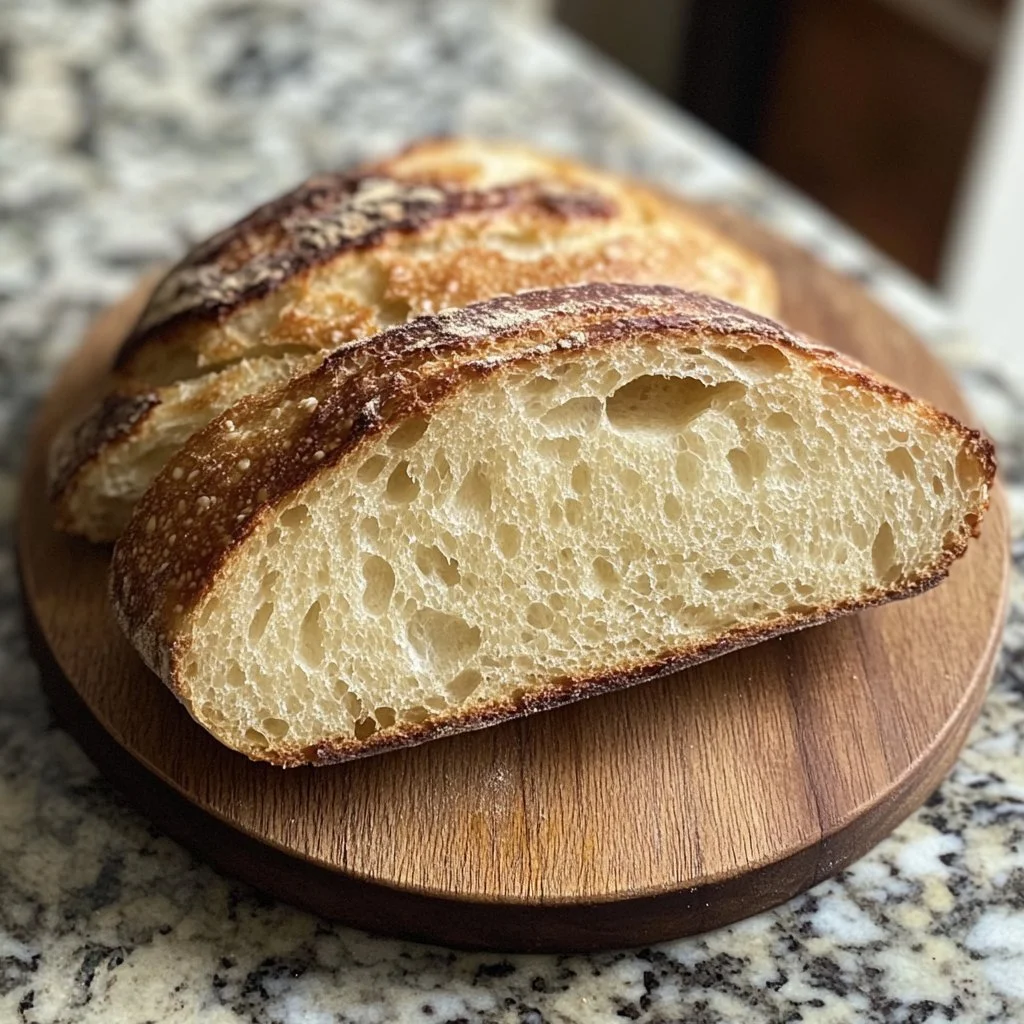
Presenting your sourdough bread can be just as enjoyable as eating it. Slice the loaf and arrange it on a rustic wooden board for a homey touch. Include a variety of dips or spreads, inviting friends and family to enjoy the loaf together. Remember that it pairs beautifully with soups, salads, and cheese while remaining an excellent stand-alone snack.
When it comes to storage, keep the bread at room temperature in a bread box or a paper bag to maintain its crust. Avoid placing it in the fridge, as this can dry it out more quickly. If you’ve created leftovers, consider toasting slices for a delightful treat in the mornings.
Sourdough bread creates a wonderful sense of comfort in your kitchen. Nurturing the dough through each step becomes a joyful pursuit that nourishes not only the belly but the soul. The process of making sourdough invites love, connection, and above all, delightful meals that bring everyone around the table.
Creating your own sourdough bread combines simplicity and elegance. With practice, patience, and creativity, experimenting with flavours and techniques will lead to the perfect loaf in no time. Embrace the magic of sourdough baking, and you’ll infuse your life with a delight that sustains beyond the plate.
Sourdough Bread
Ingredients
Method
- In a large bowl, mix the sourdough starter with warm water.
- Add the olive oil, sea salt, and flour.
- Combine until a dough forms.
- Knead the dough on a floured surface for about 10 minutes until smooth.
- Place the dough in a lightly oiled bowl, cover, and let it rise until doubled in size (about 1-2 hours).
- Preheat the oven to 220C/430F.
- Shape the dough and place it in a baking dish or on a baking sheet.
- Bake for 22-25 minutes on the lowest rack of the oven for a crisp base.