
📑 Table of Contents ▶
Sourdough Discard Focaccia
Welcome to Eatimi! I’m Olivia Hart — a home-cook who believes delicious food doesn’t need complicated techniques. Here I share easy everyday recipes, family meals, quick ideas for busy days, and helpful kitchen tips to make cooking simple and fun. My goal is to help you feel confident in the kitchen and enjoy homemade food with joy, comfort, and love. 💛
Crafting focaccia is one of those delightful experiences that brings the warmth of home into your kitchen. As a devotee of sourdough, I’ve enjoyed experimenting with sourdough discard, turning it into something beautiful and tasty. The texture of focaccia, with its airy pockets and golden crust, always brings comfort. Memories of the first time I made focaccia for my family linger vividly.
There’s something truly special about the fragrance that fills the home when it’s baking. It invites everyone to gather in the kitchen, just waiting to enjoy a slice together. Adding fresh or dried herbs enhances the focaccia, creating an irresistible aroma. As I guide you through the process of making sourdough discard focaccia, you’ll discover how simple it is to transform basic ingredients into a stunning dish.
This focaccia recipe embraces the charm of sourdough, giving a second life to sourdough discard while offering you a chance to create a bakery-quality bread at home. Let’s embark on this culinary adventure and indulge in the joy of baking.
Sourdough Discard Focaccia Fundamentals
Preparation/Setup
Starting with sourdough discard focaccia requires some basic ingredients and a bit of patience. The key is in the approach, allowing the dough to transform through careful handling and attention. First, gather all the ingredients: bread flour, warm water, sourdough starter discard, kosher salt, and olive oil. The use of bread flour specifically makes a difference in achieving the right texture, providing that perfect chewy bite.
As you prepare, ensure your workspace is tidy. Clear off a large surface and assemble mixing bowls, spatulas, measuring cups, and a baking pan. The dough demands interaction, so be ready to immerse your hands in this delicious task. The first key step involves combining the bread flour, warm water, sourdough starter discard, and salt in a large bowl.
After mixing these ingredients, the dough will reveal a batter-like consistency. This initial mix is the foundation for your focaccia, allowing the natural yeasts in the sourdough starter to kickstart fermentation. Cover the bowl and allow it to rest for 15 minutes. This period allows the flour to absorb the water fully and activate gluten development.
Ingredients
Gather the following ingredients to create your Sourdough Discard Focaccia:
- 500 grams (4 cups + 3 tablespoons) bread flour: Gives structure and contributes to a chewy texture.
- 450 grams (1 ¾ cups + 2 tablespoons) warm water (80-90℉): Activates the yeast and helps in gluten formation.
- 100 grams (½ cup) sourdough starter discard: Utilizes leftover starter, enhancing flavour and texture.
- 10 grams (2 ½ teaspoons) kosher salt: Balances flavour.
- 6 tablespoons extra virgin olive oil (divided): Adds moisture and contributes to the crispy crust.
- Fresh or dried herbs: Choose your favourites for an aromatic finish.
With these ingredients on hand, you’re set to embark on your focaccia-making journey.
Directions
- In a large mixing bowl, combine the bread flour, warm water, sourdough starter discard, and kosher salt. Mix until well combined.
- The dough will have a batter-like consistency. Cover the bowl and let it rest for 15 minutes.
- Wet your hands and grab one edge of the dough, pulling it up and over itself. Rotate the bowl 90 degrees and repeat this process up to 16 times around the bowl.
- Cover the bowl again and rest for 15 minutes. Repeat this stretching and folding process 5 more times (6 sets total), allowing 15 minutes of rest between each set. Alternatively, you can mix using a stand mixer with a dough hook attachment on medium-low speed for 10-15 minutes until the dough is smooth and elastic.
- Add 2 tablespoons of olive oil to a clean bowl. Carefully transfer the dough from the mixing bowl to the oiled bowl. Ensure it doesn’t stick to the sides.
- Brush a bit of olive oil on top of the dough, cover, and let it rise at room temperature until doubled in size, about 4 hours.
- Line your baking pan(s) with parchment paper. Oil the parchment paper with another 2 tablespoons of olive oil.
- Gently transfer the dough to the prepared pan. Use your fingers to spread it out. If it springs back, let it rest for 10 minutes and then try again.
- Cover the dough again and let it proof until noticeably puffy, about 2 hours.
- Preheat the oven to 375°F about 20 minutes before baking.
- Lightly oil your hands and use your fingertips to poke the dough all over to redistribute air bubbles.
- Drizzle the top of the focaccia with the remaining olive oil, sprinkle with kosher salt and your choice of herbs.
- Bake in the preheated oven for 25-30 minutes until golden brown on top.
- Allow the focaccia to cool in the pan for 10 minutes before removing it. Cut into pieces and serve warm.
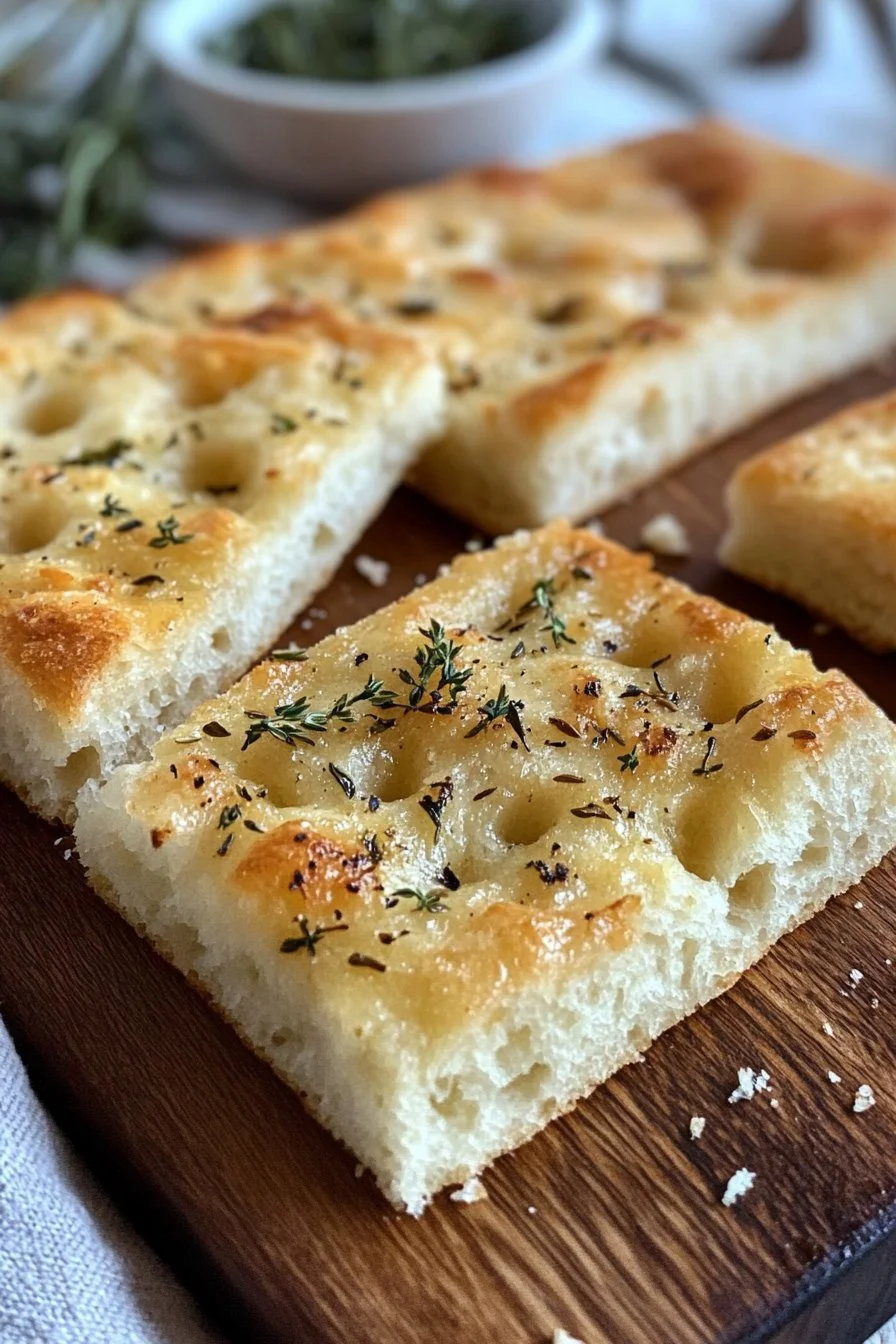
The Art of Baking Focaccia
Technique
Mastering the art of focaccia hinges on a few essential techniques that elevate the bread-making experience. Understanding the process allows you to engage with the dough, celebrating the transformation it undergoes. As you mix, you’ll notice the difference in texture, especially as you embrace the stretch and fold method during the resting stages. This method not only develops gluten but also adds a lightness to the final bake, resulting in magnificently airy pockets.
An alternative to hand mixing is using a stand mixer. This method can be less labor-intensive, producing equally great results. Regardless of your choice, the secret lies in ensuring the dough reaches the right consistency—smooth and elastic.
Tips/Tricks
There are several tips and tricks to keep in mind while baking your sourdough discard focaccia. First, always ensure your hands are lightly oiled when working with the dough to prevent sticking. Incorporating herbs during the proofing stage can enhance flavor. Both fresh and dried options work wonderfully; rosemary and thyme are classic additions.
Remember that room temperature plays a crucial role in the dough’s rise. If your kitchen is cooler, consider placing the dough in a warmer spot to aid fermentation. Lastly, if you want a crunchier crust, you can increase the baking time slightly, but always keep an eye on the focaccia to prevent overbaking.
Perfecting Your Focaccia
Perfecting Results
Perfecting your sourdough discard focaccia involves a balance of hydration and flour. If the dough appears too sticky, a light dusting of flour during the stretching process can help. Conversely, too dry a dough can hinder rise and texture, so adjust your water content as needed.
Don’t shy away from experimenting with different herbs and toppings. Some people enjoy a sprinkle of sea salt or a drizzle of balsamic glaze for added depth. These variations personalize your focaccia and make it suited to your taste.
Troubleshooting/Variations
Even experienced bakers encounter challenges. If the focaccia doesn’t rise as expected, consider the vitality of your sourdough starter. A healthy, active starter yields better results. For those aiming for a more robust flavour, allowing the dough to ferment longer can enhance the overall profile.
In seeking variations, consider incorporating olives, sun-dried tomatoes, or different cheeses in the dough. These additions not only enhance flavour but also make each loaf unique. Should you desire a sweeter focaccia, experimenting with a bit of honey or sugar in the initial mix can yield a delightful twist.
Serving and Storing Focaccia
Serving/Presentation
Presenting your sourdough discard focaccia creates an opportunity to showcase your culinary skills. When serving, cut the focaccia into generous squares or rustic pieces. Placing it on a wooden board garnished with olive oil and herbs invites people to dive into a fresh offering.
Pair the focaccia with various dips such as olive oil infused with garlic or balsamic vinegar. This enhances the experience, allowing guests to enjoy the focaccia in different ways.
Pairings/Storage
In terms of pairings, enjoy this focaccia alongside fresh salads or hearty soups. It can complement various meals, making it a versatile addition to any dining setting. Focaccia also makes a fantastic base for sandwiches, so consider this when you enjoy leftovers.
Storing focaccia is straightforward; wrap it in a clean kitchen towel or place it in an airtight container. It remains best at room temperature for a few days. For longer storage, slice and freeze the focaccia, then reheat it directly from the freezer. This ensures you can enjoy that beautiful freshly baked taste anytime.
Conclusion
Sourdough discard focaccia is more than just a delicious bread; it embodies the creativity and resourcefulness of home baking. With each step, from mixing the ingredients to the final bake, you cultivate a connection to your culinary craft. The use of sourdough discard turns what could be waste into a delightful experience worth sharing.
Memories of gathering around a warm, fragrant loaf evoke a sense of comfort and belonging. Sourdough discard focaccia invites you to explore and enjoy the process of baking. With simple adjustments and a bit of practice, this beautiful bread can become a staple in your kitchen, cherished by family and friends alike.
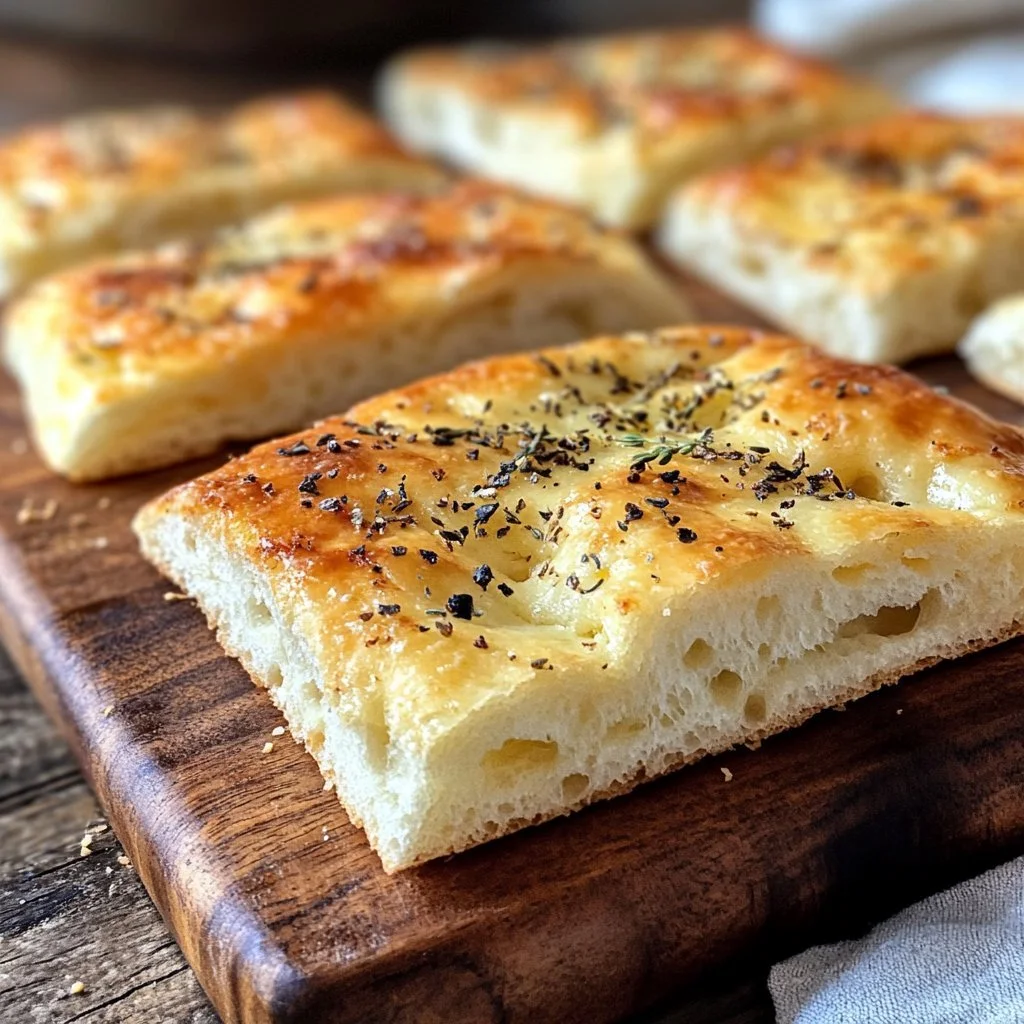
Sourdough Discard Focaccia
Ingredients
Method
- In a large mixing bowl, combine the bread flour, warm water, sourdough starter discard, and kosher salt. Mix until well combined.
- The dough will have a batter-like consistency. Cover the bowl and let it rest for 15 minutes.
- Wet your hands and grab one edge of the dough, pulling it up and over itself. Rotate the bowl 90 degrees and repeat this process up to 16 times around the bowl.
- Cover the bowl again and rest for 15 minutes. Repeat this stretching and folding process 5 more times, allowing 15 minutes of rest between each set.
- Alternatively, use a stand mixer with a dough hook attachment on medium-low speed for 10-15 minutes until the dough is smooth and elastic.
- Add 2 tablespoons of olive oil to a clean bowl. Carefully transfer the dough from the mixing bowl to the oiled bowl.
- Brush a bit of olive oil on top of the dough, cover, and let it rise at room temperature until doubled in size, about 4 hours.
- Line your baking pan(s) with parchment paper and oil the parchment with another 2 tablespoons of olive oil.
- Gently transfer the dough to the prepared pan and use your fingers to spread it out. If it springs back, let it rest for 10 minutes and try again.
- Cover the dough again and let it proof until noticeably puffy, about 2 hours.
- Preheat the oven to 375°F about 20 minutes before baking.
- Lightly oil your hands and use your fingertips to poke the dough all over to redistribute air bubbles.
- Drizzle the top of the focaccia with the remaining olive oil, sprinkle with kosher salt and your choice of herbs.
- Bake in the preheated oven for 25-30 minutes until golden brown on top.
- Allow the focaccia to cool in the pan for 10 minutes before removing it. Cut into pieces and serve warm.