
📑 Table of Contents ▶
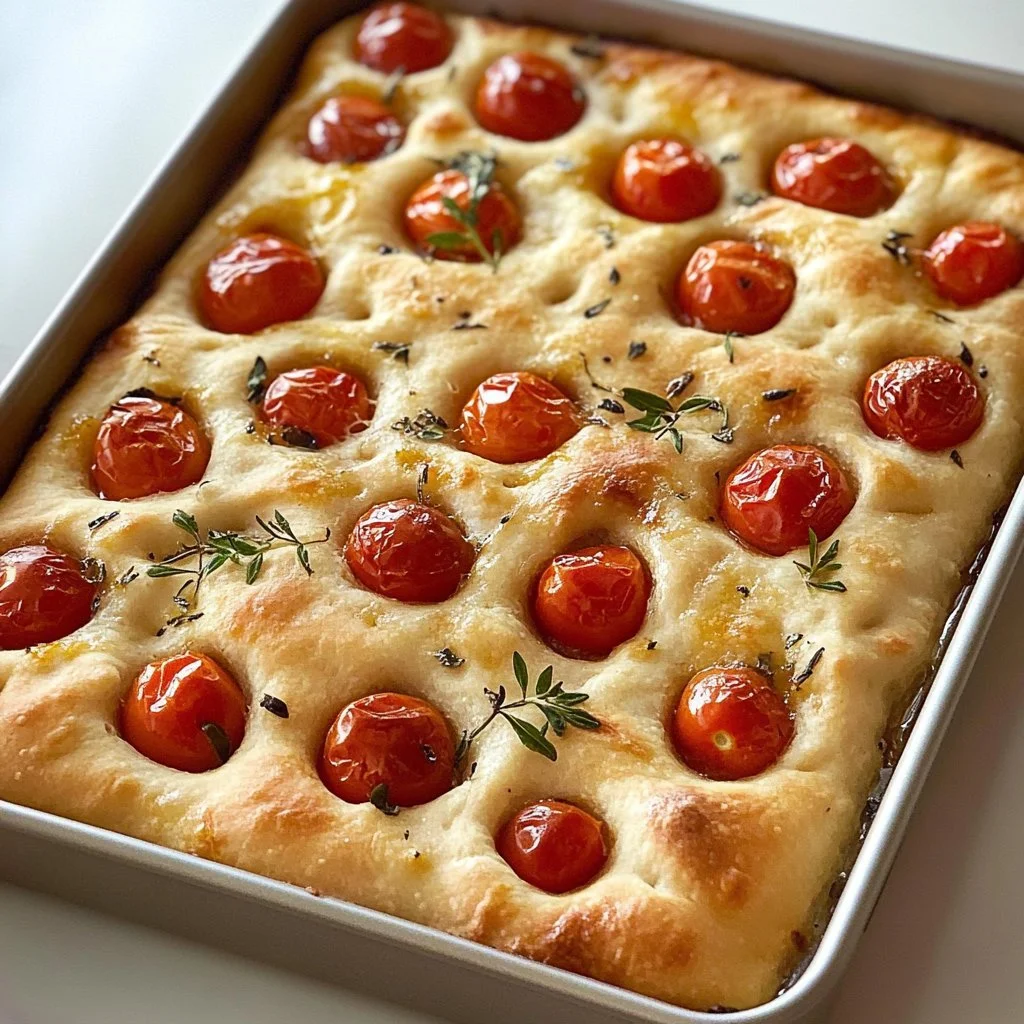
Focaccia Bread
Welcome to Eatimi! I’m Olivia Hart — a home-cook who believes delicious food doesn’t need complicated techniques. Here I share easy everyday recipes, family meals, quick ideas for busy days and helpful kitchen tips to make cooking simple and fun. My goal is to help you feel confident in the kitchen and enjoy homemade food with joy, comfort and love. 💛
There’s something magical about making focaccia bread at home. The aroma of warm dough rising in the kitchen brings back memories of family gatherings. I recall the first time I tried my hand at this Italian classic, the excitement of watching the dough come to life. Each rise and dimple felt like a small victory.
Focaccia bread, with its crisp exterior and soft, pillowy interior, is a versatile delight. You can easily adapt it to suit any occasion, whether it’s a casual dinner with friends or a comforting family meal. The best part? It requires only a few simple ingredients to create a masterpiece.
As you mix, knead, and bake, you can truly make this recipe your own. The combination of fresh herbs and sea salt elevates it, making it the perfect accompaniment to any dish. Get ready to create a focaccia that will impress both yourself and those lucky enough to share it with you.
Why Focaccia Bread Stands Out
Fundamentals
Focaccia bread, often referred to as flatbread, is a staple in Italian cuisine. Its beauty lies in its simplicity and adaptability. With just a handful of ingredients, you can create a soft, flavorful bread that complements various meals. The core ingredients include all-purpose flour, warm water, yeast, salt, and olive oil.
The magic truly happens when you allow the dough to rise, which infuses it with a lovely texture and flavor. The dimpled surface, a signature of focaccia, holds any added oils, herbs, or toppings, enhancing the overall taste experience. Understanding the fundamentals of bread-making will elevate your focaccia game.
Preparation/Setup
Before diving into the preparation of your focaccia bread, gather all the necessary tools and ingredients. You’ll need a mixing bowl, a greased baking sheet, and a cloth for covering the dough.
Start by combining your warm water and yeast in a mixing bowl. Allowing the yeast to activate is a crucial step in the process. Once it becomes frothy, add your flour, salt, and olive oil. These ingredients come together to create a smooth dough through a bit of kneading.
Don’t underestimate the importance of kneading your dough for 5-7 minutes. This step develops the gluten in the flour, resulting in a soft and elastic dough. After kneading, place the dough in a greased bowl and cover it. Let it rise for 1-2 hours to double in size.
Ingredients
- 2 cups all-purpose flour
- 1 cup warm water
- ½ teaspoon active dry yeast
- 1 teaspoon salt
- 2 tablespoons olive oil
- Fresh herbs (like rosemary or thyme)
- Coarse sea salt (for topping)
Directions
- In a mixing bowl, combine warm water and yeast. Let it sit for about 5 minutes until frothy.
- Add flour, salt, and olive oil. Mix until a dough forms.
- Knead the dough for about 5-7 minutes until smooth.
- Place the dough in a greased bowl, cover it with a cloth, and let it rise for about 1-2 hours or until doubled in size.
- Preheat your oven to 425°F (220°C).
- Transfer the risen dough to a greased baking sheet and press it into a rectangle or circle.
- Dimple the surface of the dough with your fingertips, drizzle with olive oil, and sprinkle with herbs and sea salt.
- Let it rest for another 20 minutes.
- Bake for 20-25 minutes or until golden brown.
- Allow to cool slightly before slicing and serving.

Perfecting your Focaccia Bread
Technique
The key to achieving the perfect focaccia is in the texture of the dough. When you knead, ensure to incorporate enough air without overworking it. This balance contributes to the bread’s lightness. Every dimple you create on the surface not only adds visual appeal but also provides pockets for flavour.
It helps to experiment with the thickness of the dough on the baking sheet. A thicker dough results in a more pillowy focaccia, while a thinner layer will yield a crispier texture. Adjust according to your preference, and don’t hesitate to get creative with toppings!
Tips/Tricks
When making focaccia bread, always keep an eye on the rising dough. A warmer environment will hasten the rising process, while a cooler area may slow it down. If you live in a particularly cold climate, find a warm corner in your home or turn your oven on briefly to create a cozy space for the dough to rise.
Incorporating fresh herbs into your dough makes all the difference, infusing it with delightful aroma and flavour. Choose your herbs based on your meal. Rosemary adds an earthy tone, while thyme offers a lovely hint of sweetness. Experimentation is part of the fun.
Troubleshooting your Focaccia Bread
Perfecting Results
Sometimes focaccia bread may turn out overly dense or too dry. To avoid this, ensure you measure your flour accurately. Too much flour leads to a dry bread, while too little may make it too sticky.
If your dough doesn’t rise as expected, check your yeast’s freshness. Old or inactive yeast can cause your bread to fall flat. You can always test the yeast by sprinkling it over warm water with a bit of sugar and observing if it becomes frothy.
Variations
Focaccia is incredibly flexible. You can add toppings like olives, sun-dried tomatoes, or even cheese before baking. For a sweetened version, sprinkle cinnamon and sugar on top. The possibilities are endless and allow for creativity in the kitchen.
Serving your Focaccia Bread
Presentation
Serving focaccia bread can be as simple or as elaborate as you desire. Once cooled, slice the bread into squares or wedges, displaying its inviting texture. Drizzling with olive oil and garnishing with extra fresh herbs will elevate its appearance.
Consider pairing your focaccia with a spread of dips, such as hummus, pesto, or even a classic herb-infused olive oil. This approach not only enhances the meal but also brings an element of sharing and togetherness.
Storage
Leftover focaccia can stay fresh if you store it properly. Wrap it in plastic or foil and place it in an airtight container at room temperature for up to two days. For longer storage, consider freezing slices. Just pop the frozen focaccia in the oven for a few minutes before serving to revive its texture.
Conclusion
Focaccia bread is not just a dish; it’s an experience. The process of making it invites creativity and joy into the kitchen. With a few simple ingredients and technique adjustments, anyone can create delicious focaccia at home.
Embrace every step, from kneading to baking, and remember to share the delightful results with family or friends. The flavourful, aromatic focaccia bread will bring happiness to any table. 🥖✨
Focaccia Bread
Ingredients
Method
- In a mixing bowl, combine warm water and yeast. Let it sit for about 5 minutes until frothy.
- Add flour, salt, and olive oil. Mix until a dough forms.
- Knead the dough for about 5-7 minutes until smooth.
- Place the dough in a greased bowl, cover it with a cloth, and let it rise for about 1-2 hours or until doubled in size.
- Preheat your oven to 425°F (220°C).
- Transfer the risen dough to a greased baking sheet and press it into a rectangle or circle.
- Dimple the surface of the dough with your fingertips, drizzle with olive oil, and sprinkle with herbs and sea salt.
- Let it rest for another 20 minutes.
- Bake for 20-25 minutes or until golden brown.
- Allow to cool slightly before slicing and serving.