
📑 Table of Contents ▶
- Understanding Homemade Focaccia Bread
- Fundamentals
- Preparation/setup
- Directions
- Elevating Your Focaccia with Technique
- Technique
- Tips/tricks
- Perfecting your Focaccia Bread Recipe
- Perfecting results
- Troubleshooting/variations
- Enjoying Your Homemade Focaccia Bread
- Serving/presentation
- Pairings/storage
- Ingredients
- Method
Homemade Focaccia Bread
Welcome to Eatimi! I’m Olivia Hart — a home-cook who believes delicious food doesn’t need complicated techniques. Here I share easy everyday recipes, family meals, quick ideas for busy days and helpful kitchen tips to make cooking simple and fun. My goal is to help you feel confident in the kitchen and enjoy homemade food with joy, comfort, and love. 💛
There’s something magical about homemade focaccia bread that takes me back to lazy afternoons spent in the kitchen. The aroma of fresh herbs mingling with warm dough creates an inviting atmosphere, perfect for gathering family and friends. Every time I make homemade focaccia, I’m reminded of that comforting feeling as I knead the dough, waiting for it to rise and transform.
This focaccia recipe is simple yet satisfying. With just a handful of ingredients, you’ll achieve a bakery-style bread right at home. Each step in making this homemade focaccia enriches the experience. Watching the yeast work its magic teaches patience and builds anticipation for the final product.
Whether you serve it as a side dish or snack, homemade focaccia bread is always a hit. The crispy exterior, paired with a soft, airy interior, leaves you craving more. Let’s dive into the details of making your own focaccia—it’s fun and truly rewarding!
Understanding Homemade Focaccia Bread
Fundamentals
Homemade focaccia bread is more than just a simple bread; it embodies tradition and hospitality. Its roots trace back to Italy, where using fresh ingredients is essential. This bread’s distinct flavour comes from the combination of warm water, yeast, flour, and olive oil, transformed in your hands.
The key to achieving perfect focaccia begins with understanding how yeast works. The yeast activates when combined with warm water, creating the perfect environment for rising dough. Patience is crucial, as it allows the gluten to develop, resulting in a delightful texture. Simple ingredients make focaccia approachable, inviting both novice bakers and seasoned chefs alike.
Embracing the art of focaccia teaches you timeless baking skills. Kneading the dough releases gluten, making the bread chewy yet tender. Each fold and turn adds character to your focaccia, connecting you to the culinary traditions that span generations.
Preparation/setup
Before diving into the fun of making focaccia, let’s prepare the workspace. Gather your ingredients, ensuring you have everything on hand. Start by measuring 2 cups of warm water and one packet of active dry yeast. Then, assemble 5 cups of all-purpose flour, ¼ cup of olive oil, 2 teaspoons of salt, and 2 tablespoons of sugar. Fresh herbs like rosemary or thyme add an aromatic touch to the recipe.
Take the time to create a well-organised cooking space. This makes the process seamless and enjoyable. A clean kitchen is a happy kitchen, so wipe your countertops and gather mixing bowls, a whisk, a wooden spoon, and a baking sheet.
As the yeast and warm water mingle, the anticipation builds. The transformation will soon begin, leading to a mouthwatering focaccia that you crafted with care. Prepare to enjoy the sensory journey from dough to delicious!
Ingredients
To make a batch of homemade focaccia, you will need the following ingredients:
- 2 cups warm water
- 1 packet active dry yeast
- 5 cups all-purpose flour
- ¼ cup olive oil
- 2 teaspoons salt
- 2 tablespoons sugar
- Fresh herbs (such as rosemary or thyme)
- Coarse sea salt for topping
These ingredients work together in harmony, creating a soft, flavourful bread that invites creativity. You can experiment with different herbs and toppings, enhancing the classic focaccia experience.
Directions
Creating your homemade focaccia bread follows a straightforward process:
- In a bowl, combine warm water and yeast. Let it sit for 5-10 minutes until frothy.
- In a large mixing bowl, mix flour, salt, and sugar. Create a well in the centre and add olive oil and the yeast mixture. Stir until a dough forms.
- Knead the dough on a floured surface for about 5-7 minutes until smooth and elastic.
- Place the dough in a greased bowl, cover, and let it rise for one hour until doubled.
- Preheat your oven to 425°F (220°C).
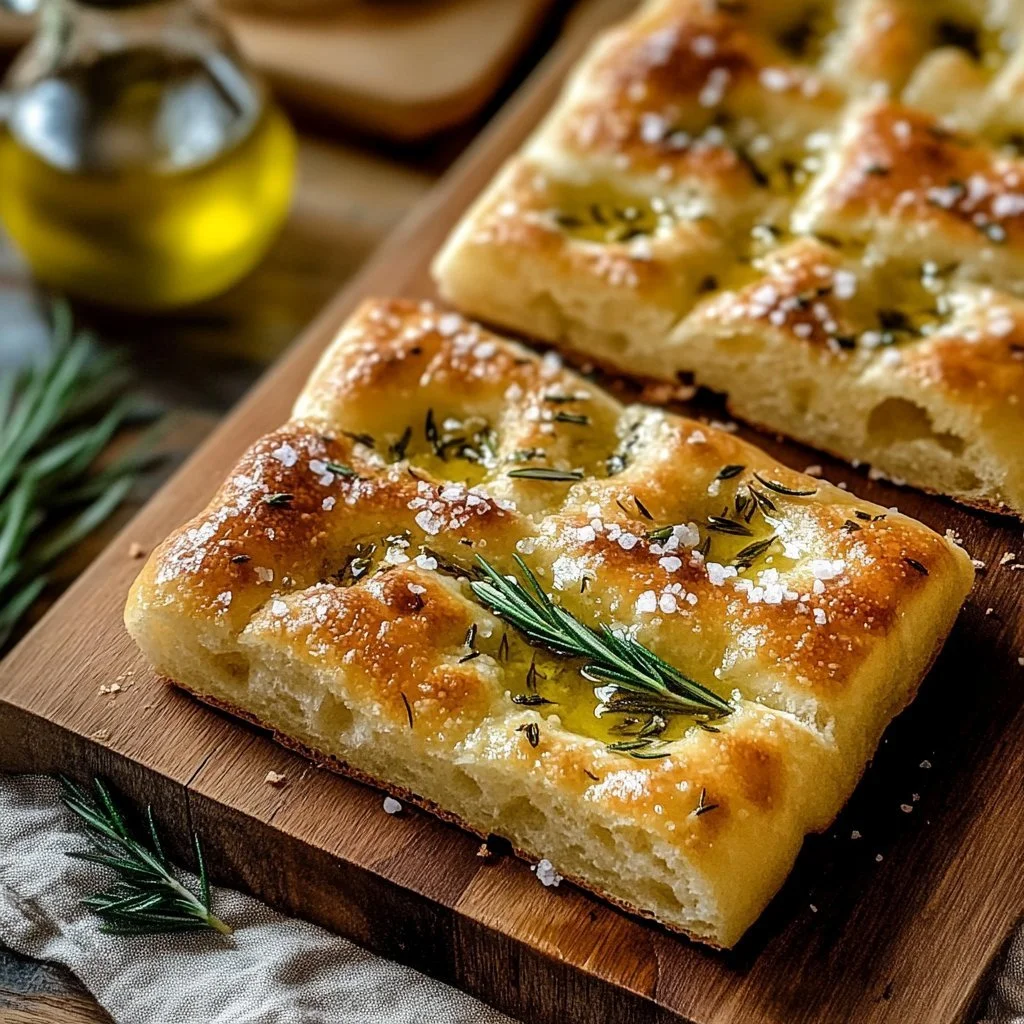
- Punch down the dough, place it on a greased baking sheet, and dimple the surface. Drizzle with olive oil and sprinkle with fresh herbs and coarse salt.
- Bake for 20-25 minutes until golden brown. Allow it to cool slightly before slicing and serving.
Elevating Your Focaccia with Technique
Technique
Perfecting focaccia uses a few essential techniques that elevate its quality. Start by ensuring that the water temperature is just right; it should feel warm to the touch but not too hot. Too much heat can kill the yeast, while being too cool won’t activate it effectively.
Kneading is another crucial technique. As you knead the dough, you develop the gluten, which gives bread its structure. The dough should appear smooth and elastic when ready. Practise this technique; your arms will thank you for the workout!
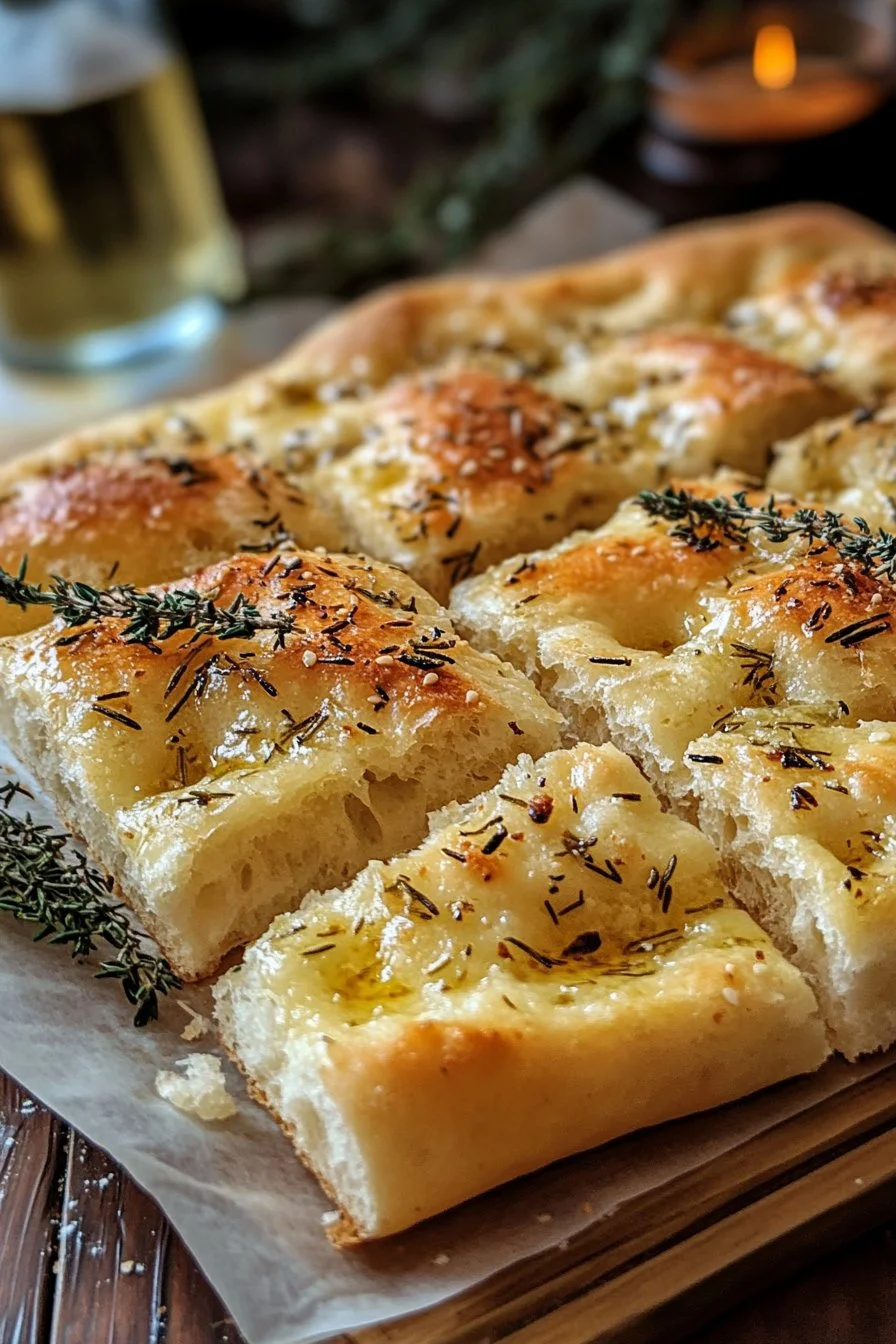
Dimpling the dough before baking creates those signature indentations, perfect for holding olive oil and seasonings. This step ensures even baking and adds character to your focaccia, making it instantly recognisable.
Tips/tricks
A few handy tips can make your focaccia-making experience even better. One important trick involves using fresh herbs; they add aromatic flavour and aesthetic appeal. You can also try mixing different herbs for a unique twist.
Experiment with toppings! Coarse sea salt, sliced olives, or cherry tomatoes can elevate the taste and visual appeal. If you’re feeling adventurous, sprinkle some grated cheese on top before baking.
Consider baking on a pizza stone for a crisper bottom. Preheating the stone helps ensure the focaccia cooks evenly, achieving that desired crusty exterior while remaining fluffy inside.
Perfecting your Focaccia Bread Recipe
Perfecting results
To make sure your homemade focaccia bread turns out perfectly every time, consider a few aspects. Monitor the temperature while the dough rises. A slightly warm, draft-free area is ideal, as it encourages yeast activity.
Pay attention while baking; you want the bread to turn golden—but not overcooked. Keep an eye on the colour and texture as it nears the 20-minute mark, ensuring it’s beautifully browned but not too dark.
Baking times can vary, so if possible, use an oven thermometer. This ensures you’re at the perfect temperature for a successful bake. Each oven is different, and knowing yours helps achieve consistent results.
Troubleshooting/variations
Even the best bakers encounter challenges at times. If your focaccia doesn’t rise, it could mean the yeast wasn’t activated correctly. Always check the expiration date on your yeast packets before using them.
If your dough feels too sticky, you can sprinkle a bit of flour, but be cautious—too much can affect texture. Adjusting the hydration can lead to better results if you prefer a chewier focaccia.
Feel free to explore variations! You can create different flavours by adding spices to the dough or experimenting with toppings. Garlic, olives, and even sun-dried tomatoes ignite culinary inspiration. Each twist brings new character to your homemade focaccia.
Enjoying Your Homemade Focaccia Bread
Serving/presentation
Presentation plays a vital role in enjoying focaccia. Once your bread cools slightly, slice it into squares or rectangles. Arrange the slices on a rustic wooden board, garnished with sprigs of rosemary or thyme for an inviting touch.
Focaccia makes an excellent accompaniment to meals or can serve as a tasty appetizer. Use it to make sandwiches or serve it alongside soups and salads. The versatility of focaccia shines, inviting creativity in how you serve and enjoy it.
Pairings/storage
Pair your focaccia with a range of delicious accompaniments such as olive oil for dipping or homemade hummus. It can also elevate simple salads with its delightful texture and flavour.
For storage, wrap any leftover focaccia in a clean kitchen towel to retain moisture. Store it in an airtight container at room temperature for a couple of days. If you wish to extend its life, placing it in the refrigerator is an option, but be aware that it may dry out slightly.
Reheating focaccia is simple; pop it in the oven for a few minutes to revive its crispy edges. Enjoy its warmth and comfort by simply toasting it to perfection before serving again.
Homemade focaccia bread weaves together comfort, flavour, and creativity—all in one delightful recipe. Now you can share this treat with those you love, knowing that you made it with your own hands. Revel in the experience of making focaccia, and embrace the joy it brings!
Homemade Focaccia Bread
Ingredients
Method
- In a bowl, combine warm water and yeast. Let it sit for 5-10 minutes until frothy.
- In a large mixing bowl, mix flour, salt, and sugar. Create a well in the center and add olive oil and the yeast mixture. Stir until a dough forms.
- Knead the dough on a floured surface for about 5-7 minutes until smooth and elastic.
- Place the dough in a greased bowl, cover, and let it rise for one hour until doubled.
- Preheat your oven to 425°F (220°C).
- Punch down the dough, place it on a greased baking sheet, and dimple the surface. Drizzle with olive oil and sprinkle with fresh herbs and coarse salt.
- Bake for 20-25 minutes until golden brown. Allow it to cool slightly before slicing and serving.